A Trip to Karabakh 3 Last Trip
2012
No user ratings available yet
Representation score: 6.3 out of 10
Representation Score
Fair
2012
Director
Nina Grosse
Runtime
97 minutes
Average Rating
No ratings yetNew Showbiz Analysis
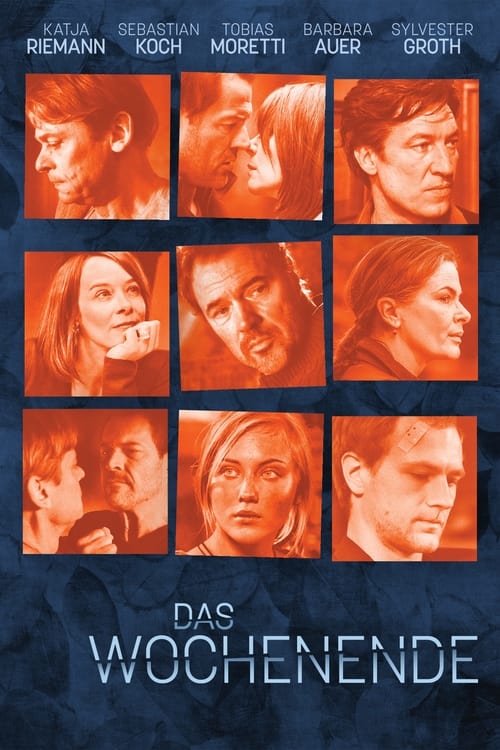
The Weekend is a character-driven drama that focuses on intellectual and political themes rather than broad demographic diversity. Its strength lies in its refusal to offer simple moral solutions, instead highlighting the tension between past radicalism and current stability. While the film lacks racial and LGBTQ+ diversity in a contemporary sense, it compensates through a nuanced deconstruction of power dynamics. Female characters are particularly well-developed, avoiding submissive stereotypes to provide a nuanced look at political upheaval. Ultimately, the film's diversity is found in its thematic complexity rather than its casting. It questions the righteousness of the legal system and explores the moral relativity of loyalty within a revolutionary context.
Category Breakdown
The film explores non-traditional romantic bonds formed from political commitment through the protagonist's relationship with Inga. It avoids modern LGBTQ+ identity politics but delves into complex interpersonal histories.
Female characters such as Inga have significant depth and autonomy. They actively participate in the moral reckoning rather than being passive domestic figures.
The cast reflects the localized, homogeneous European setting typical of the German-centric RAF era. There is minimal racial blending in the historical context.
The narrative critiques Western institutional stability and state authority. It challenges the sanctity of traditional family units and examines the subjective morality of revolutionary cells.
The film examines the psychological impact of incarceration and radicalism but does not utilize visible or invisible disabilities as central character traits or plot devices.
Present on Screen
Limited or Absent
Official Synopsis
Based on a novel by Bernard Schlink (The Reader), The Weekend follows Jens as he leaves prison 18 years after being arrested as an RAF terrorist in Germany. Back with his family, friends, and ex-comrades, including his former lover Inga, Jens’ unexpected arrival disrupts their lives, forcing them to re-examine the violent idealism of their youth, especially as he insists on learning who had betrayed him to the police years before in this intense, gripping drama
2012

2007
2008
2010
2006
2011
2019
2006
No reviews yet. Be the first to share your thoughts on this movie!
Use the rating form above to leave a star rating and optional review.