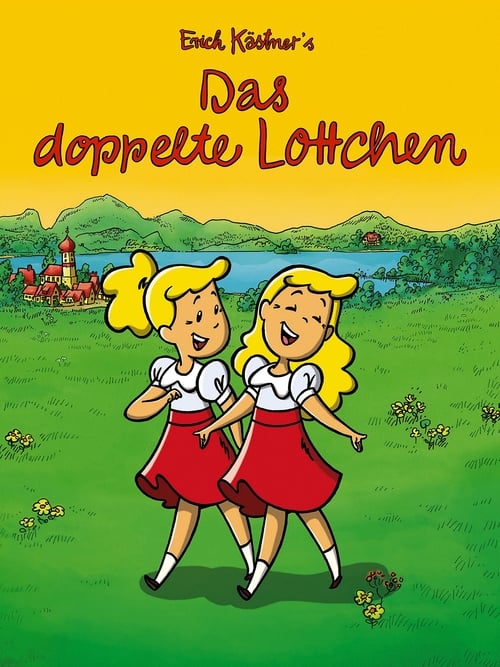
Lisa and Lottie
2007
No user ratings available yet
Diversity score: 3.8 out of 10

2015
Director
Jun Takagi
Runtime
94 minutes
Average Rating
No ratings yetSynopsis
Students from five different countries arrive in Maruko's town. Maruko and her classmates can barely contain their curiosity, and their new friends are full of surprises. And Maruko's family will house a boy from Italy!
Overall Score
Fair
Category Breakdown
LGBTQ+ Representation
The film focuses on international friendship and domestic hosting. There is no evidence of non-cisnormative identities or narratives that critique heteronormativity.
Gender Representation
Maruko serves as the central lens of the story, but the narrative likely maintains traditional childhood gender dynamics. There is no documented subversion of gender hierarchies.
Racial & Ethnic Diversity
The film introduces characters from five different countries, including Italy. This inclusion of non-Japanese perspectives provides a moderate boost to ethnic diversity through a lens of curiosity.
Religious & Cultural Diversity
The narrative suggests a celebration of internationalism and hospitality. However, it lacks evidence of anti-Western or secularist critiques, focusing instead on social cohesion.
Disability Representation
There are no visible or invisible disabilities identified within the primary character descriptions provided.
Strengths
Areas for Improvement
AI Analysis
The film functions as a cross-cultural exchange narrative that disrupts a purely homogeneous setting. By introducing international students into a domestic Japanese environment, it successfully expands the scope of the franchise beyond its usual slice-of-life boundaries. However, the narrative architecture prioritizes conventional social harmony and curiosity. The inclusion of global perspectives appears to serve the theme of hospitality rather than exploring deep intersectional agency or complex identity politics. Ultimately, the film operates within a traditional framework. It celebrates internationalism without deconstructing systemic power dynamics or challenging established social norms.
2007

2016

2017

2017

1980

1979

2009
No reviews yet. Be the first to share your thoughts on this movie!
Use the rating form above to leave a star rating and optional review.