
Roadgames
1981
No user ratings available yet
Representation score: 1.2 out of 10
Representation Score
Minimal
1979
Not RatedDirector
Hal Needham
Runtime
91 minutes
Average Rating
No ratings yetNew Showbiz Analysis
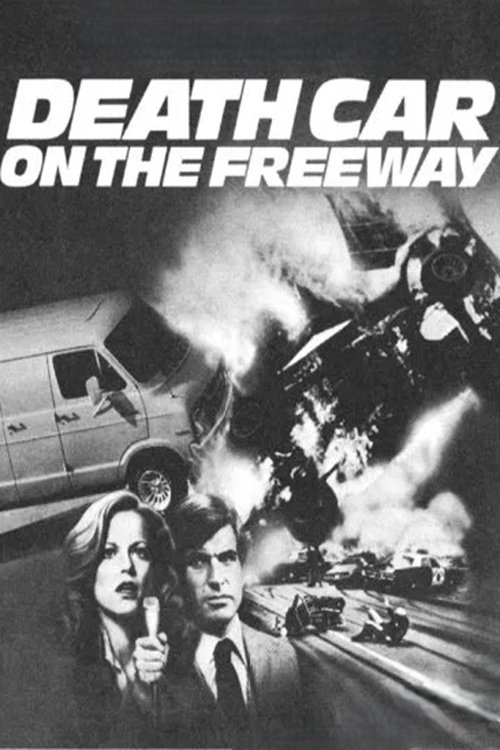
Death Car on the Freeway is a conventional 1970s thriller that prioritizes genre mechanics over social complexity. The narrative relies heavily on established suspense clichés, specifically centering on the victimization of women to drive the plot's tension. While the film provides female characters with central roles, these roles are defined by peril rather than active involvement. The creative focus remains on physical spectacle and the pursuit of a singular criminal, leaving little room for diverse representation or systemic critique. Ultimately, the film functions as a period-typical genre piece. It lacks the intentionality required to challenge social hierarchies, instead reinforcing the traditional social norms prevalent in late-20th-century television.
Category Breakdown
The film does not include any LGBTQ+ characters or non-straight relationships. It follows the typical social norms of 1970s television.
Women play central roles in the plot but are often portrayed through vulnerability and victimization. The story relies on traditional clichés of gendered danger.
The film likely reflects the homogeneous casting standards of its time. There is no indication of a diverse or non-Anglo-Saxon cast.
The story follows a traditional morality structure focused on law and order. It lacks themes exploring systemic oppression or moral relativism.
There is no information regarding the inclusion of characters with physical or neurodivergent disabilities.
Present on Screen
Limited or Absent
Official Synopsis
A determined TV reporter is out to find a maniac who is methodically attacking lone women drivers on the Los Angeles Freeway by pushing them off the road with his powerful van.
1981
1955

1977

1971

1977
2001
1974
1986
No reviews yet. Be the first to share your thoughts on this movie!
Use the rating form above to leave a star rating and optional review.