
Debauchery
1983
No user ratings available yet
Representation score: 5.2 out of 10
Representation Score
Fair
1993
Director
Wong Pak Tse
Runtime
89 minutes
Average Rating
No ratings yetNew Showbiz Analysis
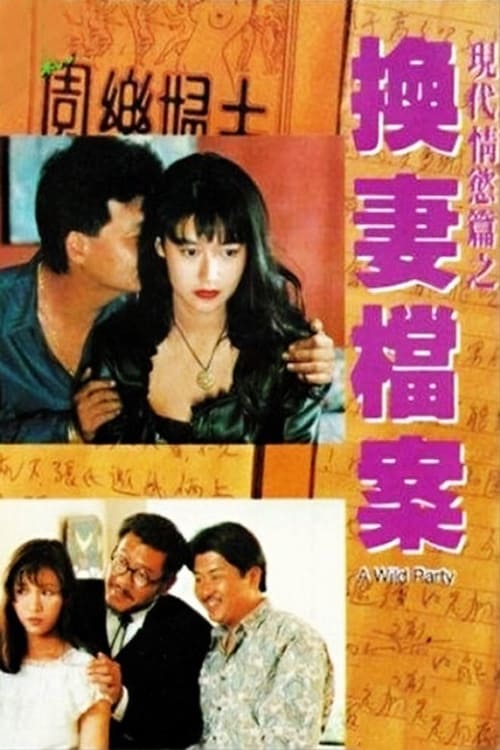
A Wild Party explores the deconstruction of traditional interpersonal hierarchies through the lens of unconventional sexual dynamics. It succeeds in challenging Confucian morality and the sanctity of the nuclear family, offering a critique of hedonistic social structures. However, the film's scope is demographically limited. While it subverts monogamy, it does not engage with LGBTQ+ identities or neurodivergent representation, keeping the narrative centered on straight-centered subversion. The film's strength lies in its regional social commentary, using the distinction between Hong Kong and Mainland identities to explore class and outsider experiences.
Category Breakdown
The film focuses on unconventional sexual dynamics like swinging but lacks explicit depictions of LGBTQ+ narratives or critiques of the assumption that everyone is straight or cisgender through sexual orientation.
Susan's journey through disillusionment with men provides a central female perspective. While characters navigate sexual liberation, power dynamics occasionally lean into traditional clichés of female vulnerability.
The cast is predominantly East Asian, set within a Hong Kong context. The inclusion of a Mainland-born character adds layers of regional identity and social stratification.
The story challenges Confucian ideals of monogamy and family stability. It portrays traditional marriage as soulless, suggesting liberation exists outside conventional social constraints.
There is no discernible evidence regarding the portrayal of physical or neurodivergent disabilities in the narrative.
Present on Screen
Limited or Absent
Official Synopsis
Dr. Poon is a psychiatrist who espouses the therapeutic benefits of wild, screaming group sex. He tells Susan, a recent divorcée who is disenchanted with love and men, that the only way she is going to get over her ex-husband is to watch him have sex with some other woman. When she acquiesces to her shrink's suggestion, Poon insists that he also be present for professional reasons. Meanwhile he coerces his Mainland-born nurse Siu-ying to attend these swingers' parties posing as his wife. There Siu-yang meets Lee Keung, a love-starved divorcee, who falls for the comely young nurse. Soon the two long to flee the soulless, bacchanalian group with which they have become intertwined.
1983

1969
1969
1977

2003

1976

1970

1967
No reviews yet. Be the first to share your thoughts on this movie!
Use the rating form above to leave a star rating and optional review.