The Sea Serpent
1985
No user ratings available yet
Representation score: 0.6 out of 10
Representation Score
Limited
1959
ApprovedDirector
Eugène Lourié
Runtime
80 minutes
Average Rating
No ratings yetNew Showbiz Analysis
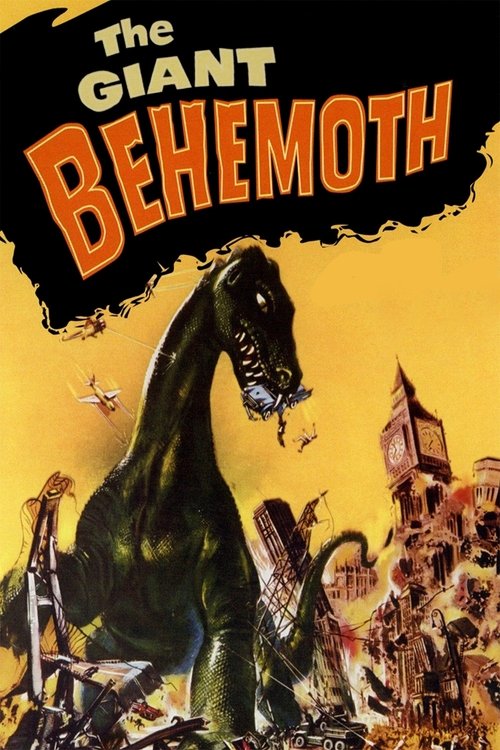
The Giant Behemoth is a product of its time, focusing on the spectacle of a resurrected dinosaur rather than exploring social issues. The narrative relies on established hierarchies, placing authority in male-dominated scientific and military institutions. Representation is limited, reflecting the demographic homogeneity of 1950s cinema. The film presents a typical survival story without challenging social norms or introducing diverse perspectives.
Category Breakdown
The film follows mid-century conventions that assume everyone is straight or cisgender. There are no representations of LGBTQ+ identities or same-sex relationships.
Men play central roles in the narrative, while women have minor roles that support traditional gender roles of the era.
The cast and setting reflect a predominantly white perspective. There is no significant racial or ethnic diversity.
The story emphasizes Western institutions such as science and the military. Traditional authority figures are portrayed as competent.
Characters are defined by their ability to survive. There is no representation of neurodivergence or physical disabilities.
Present on Screen
Limited or Absent
Official Synopsis
Marine atomic tests cause changes in the ocean's ecosystem resulting in dangerous blobs of radiation and the resurrection of a dormant dinosaur which threatens London.
1985
1953

1958

1995

1957
1996
1960
1954
No reviews yet. Be the first to share your thoughts on this movie!
Use the rating form above to leave a star rating and optional review.