Find another title
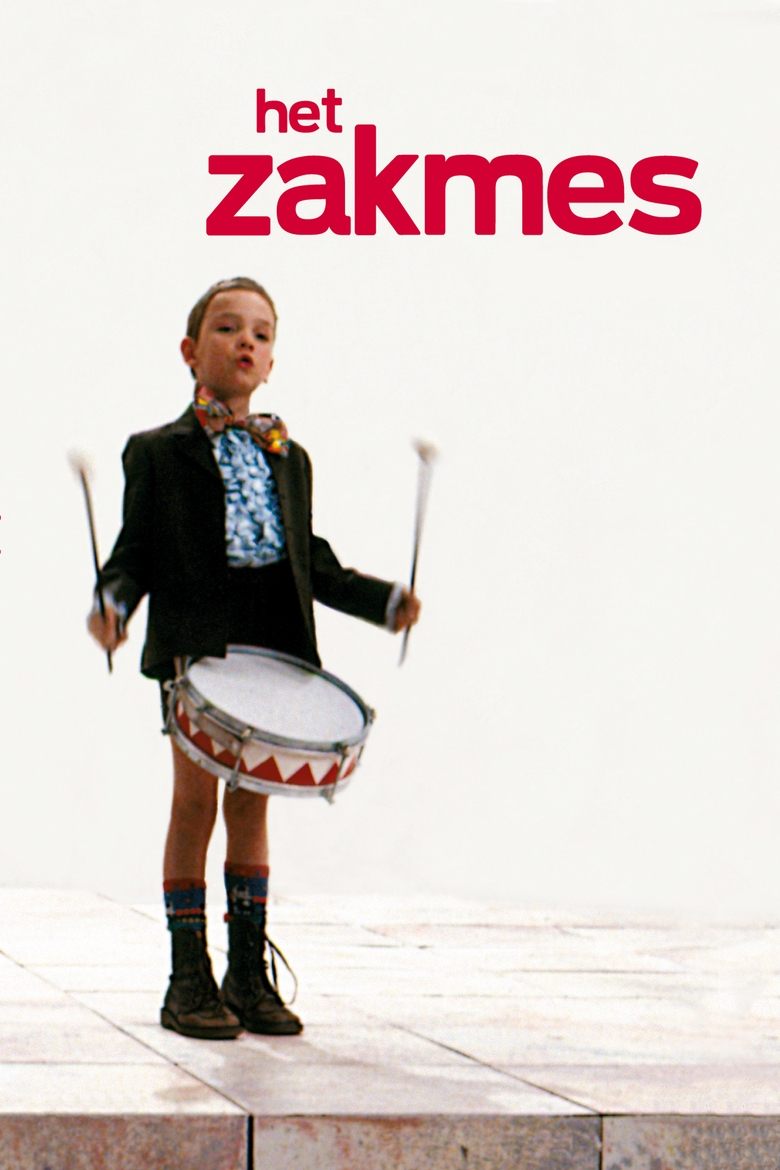
The Penknife
1992
Director
Ben Sombogaart
Runtime
90 minutes
Average Rating
No ratings yetSynopsis
Accidentally still in possession of his best friend's pocket knife after they move all the way to a different city, a young boy sets out to return it.
Where to Watch
Diversity & Representation
Overall Score
Fair
Category Breakdown
LGBTQ+ Representation
The film focuses on wartime survival and interpersonal dynamics. There is no discernible presence of non-heteronormative identities or queer subtext.
Gender Representation
The narrative highlights the resilience of female characters within the domestic sphere. It avoids traditional masculine leadership tropes by centering on a young girl's survival.
Racial & Ethnic Diversity
The film centers the Jewish experience during the Holocaust. By placing a Jewish protagonist in a non-Jewish household, it disrupts views of wartime homogeneity.
Religious & Cultural Diversity
The story explores moral relativism and the breakdown of institutional authority. It examines the tension between civilian life and state-mandated law under occupation.
Disability Representation
The film captures the invisible psychological trauma of wartime existence. However, these elements serve as atmospheric components rather than characters with individual agency.
Strengths
- Strong exploration of ethnic identity by centering the Jewish experience during the Holocaust.
- Effective deconstruction of traditional power structures and institutional authority.
- Nuanced portrayal of moral relativism and situational ethics during wartime.
Areas for Improvement
- Complete absence of LGBTQ+ representation or queer subtext.
- Lack of characters with visible or neurodivergent disabilities.
- Gender roles remain largely tied to domestic realities rather than active subversion.
AI Analysis
The Penknife is a sophisticated historical drama that prioritizes psychological depth over traditional heroic tropes. It succeeds by centering a marginalized identity, specifically the Jewish experience, within the context of the Nazi occupation. This provides a nuanced look at systemic oppression and agency. While the film excels in ethnic and cultural exploration, it lacks representation for LGBTQ+ identities and characters with visible disabilities. The narrative remains largely tethered to the domestic realities of the era, which limits its scope regarding broader social deconstruction.
Rate this Movie
Reviews
No reviews yet. Be the first to share your thoughts on this movie!
Use the rating form above to leave a star rating and optional review.