Pizza and Dates
2015
No user ratings available yet
Diversity score: 6.8 out of 10
1999
Director
Houchang Allahyari
Runtime
110 minutes
Average Rating
No ratings yetSynopsis
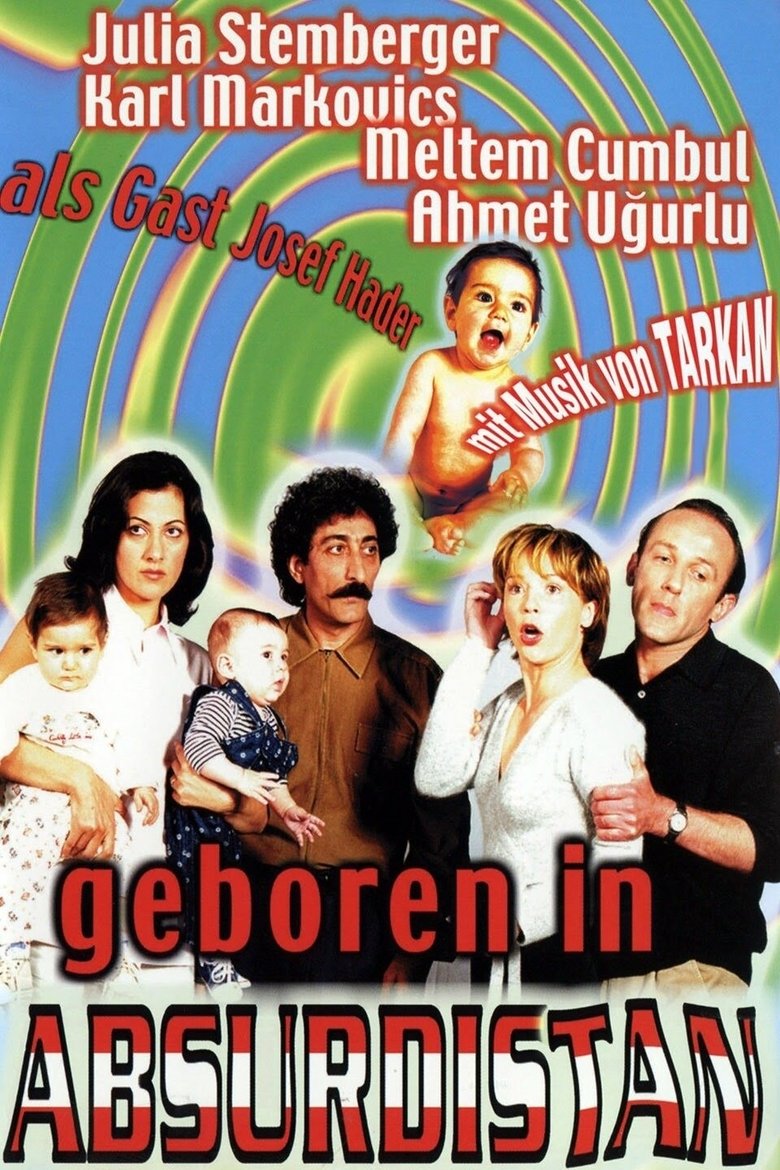
It all begins with a mistake, an error with serious consequences: in a hospital the new-born babies of an Austrian couple and a Turkish family of immigrant workers are mixed up and go home with the wrong parents. By the time the mistake comes to light, it emerges that the Turkish family, including the baby, has been deported. The despairing Austrian couple begins a confusing odyssey through Turkey in order to track down the unsuspecting family to their native village. But they are not at all convinced that the babies have been mixed up. It is decided that the only way to know for sure is to have a blood test done. It is decided that the blood work is done in Vienna due to the better medical resources, but that will be far from simple. It will involve an illegal smuggling of the Turks across the Austrian border.
Overall Score
Good
Category Breakdown
LGBTQ+ Representation
The film focuses on heteronormative family structures and biological lineage. There is a lack of overt queer presence within the central narrative architecture.
Gender Representation
The story explores the emotional labor of parents facing a crisis. It disrupts traditional hierarchies by showing characters in positions of systemic helplessness rather than masculine dominance.
Racial & Ethnic Diversity
The plot centers on the intersection of Austrian and Turkish identities. It uses a baby swap to critique ethnic homogeneity and the dehumanizing nature of immigration policies.
Religious & Cultural Diversity
The narrative critiques Western institutional rigidity and the nation-state. It portrays bureaucracy as an obstacle to human morality, prioritizing connection over legalistic citizenship.
Disability Representation
There are no prominent depictions of physical or neurodivergent disabilities serving as central narrative drivers.
Strengths
Areas for Improvement
AI Analysis
Born in Absurdistan uses a comedic premise to conduct a deep critique of how Western institutions manage human identity. By centering the friction between Austrian and Turkish families, the film moves beyond simple immigrant subplots to make cultural displacement the core conflict. The film excels at deconstructing the concept of the stable Western family, exposing its fragility against state-mandated deportation. It effectively shifts the perspective from dominant Western culture to the marginalized immigrant experience. While the film is strong in racial and cultural exploration, it remains limited by a focus on traditional family structures and a lack of LGBTQ+ representation.
2015
2011
2018

2018
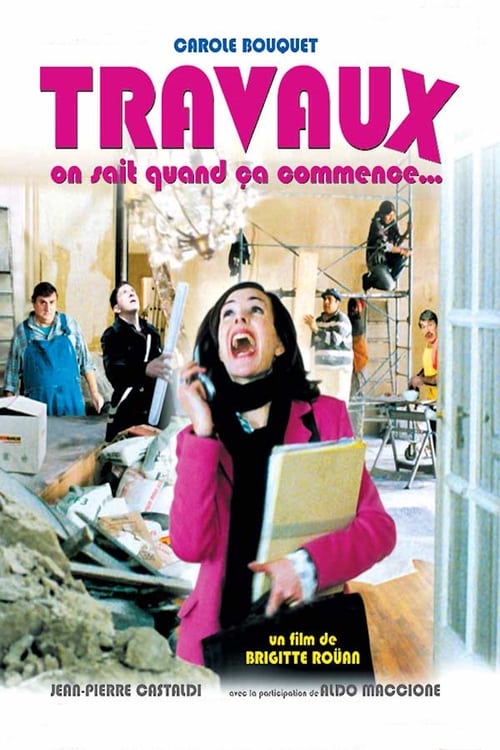
2005
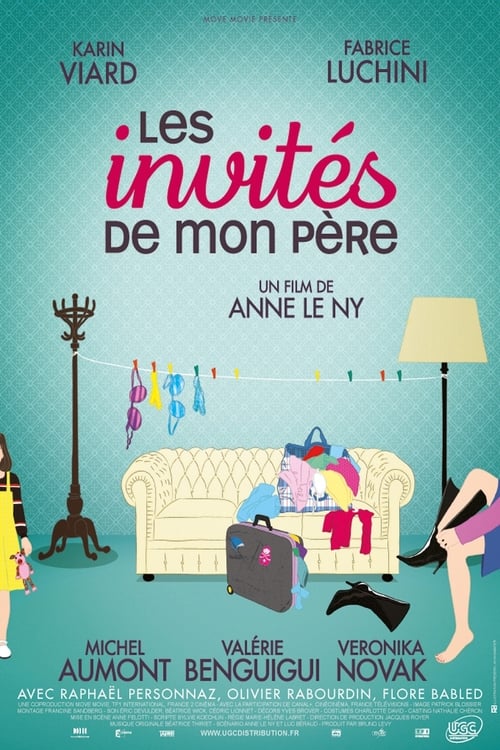
2010
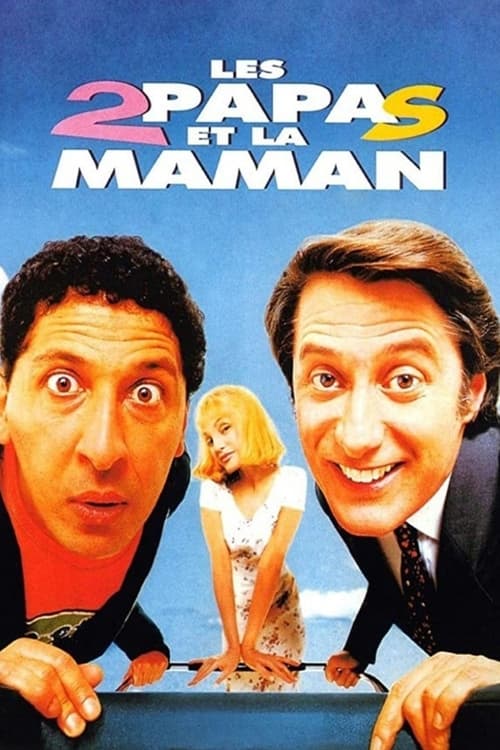
1996
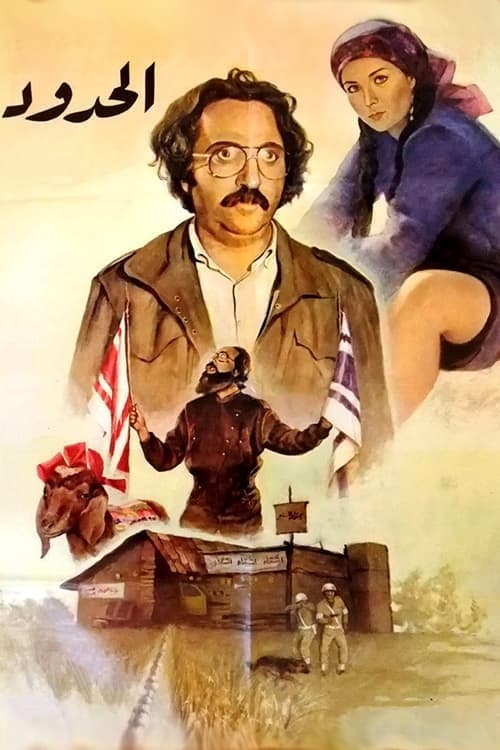
1984

2017

2017

2013

2013
No reviews yet. Be the first to share your thoughts on this movie!
Use the rating form above to leave a star rating and optional review.