
Pleasurecraft
1999
No user ratings available yet
Representation score: 1.3 out of 10
Representation Score
Minimal
1999
RDirector
Darren Moloney
Runtime
88 minutes
Average Rating
No ratings yetNew Showbiz Analysis
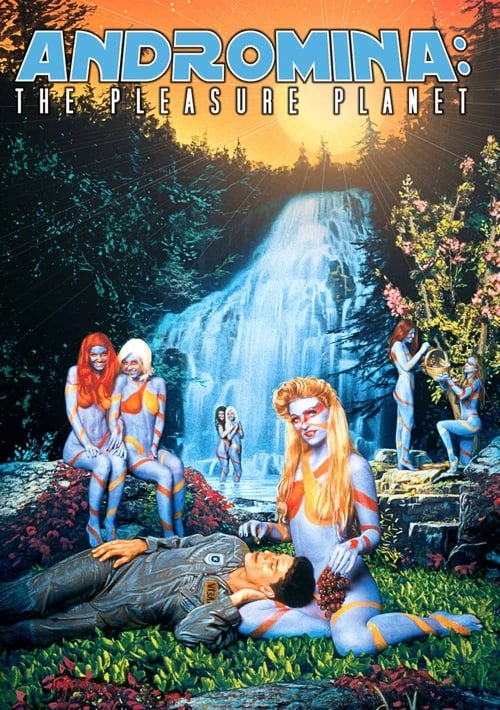
Andromina: The Pleasure Planet centers on male-driven adventures in a speculative, all-female environment. While the setting deviates from typical social structures, the narrative emphasizes male-centric escapism. The film lacks diverse character development and critiques of traditional hierarchies. Instead, it leans on late-90s genre clichés where women serve as plot devices for male discovery. Overall, the narrative prioritizes a traditional quest format over a progressive exploration of gender and identity, favoring the male perspective.
Category Breakdown
The film focuses on three male pilots without any explicit LGBTQ narratives. Although the all-female setting challenges assumptions about gender roles, the main storyline revolves around the male protagonists.
The male pilots take center stage, driving the plot forward. Women appear primarily as objects of a quest rather than active participants.
There is no information available regarding the racial or ethnic composition of the cast or the inhabitants of Andromina.
The science fiction setting allows for unconventional social structures. However, the emphasis on a pleasure planet highlights hedonistic themes over critical examination of power dynamics.
No information is available regarding the depiction of physical or neurodivergent identities within the film.
Present on Screen
Limited or Absent
Official Synopsis
Three adventurous space pilots voyage to the all-female planet Andromina, looking forward to the most famous pleasure planet in the galaxy. When they arrive they find that all the women have disappeared, and it's up to them to figure out where the fun has gone.
1999

1984

1994

2000

1996
2002

2006

1994
No reviews yet. Be the first to share your thoughts on this movie!
Use the rating form above to leave a star rating and optional review.