The Pack
1977
No user ratings available yet
Representation score: 1.4 out of 10
Representation Score
Limited
1989
Director
Dmitriy Svetozarov
Runtime
96 minutes
Average Rating
No ratings yetNew Showbiz Analysis
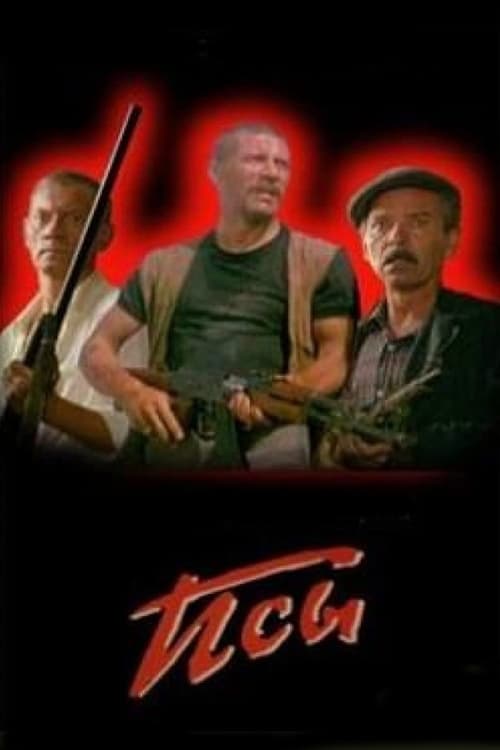
Stray Dogs is a genre-driven survival thriller reflecting the cinematic conventions of the late-Soviet era. Its approach to diversity seems to be a byproduct of its setting rather than a deliberate effort to address multiple aspects of identity. The film uses a Central Asian landscape, providing a non-Western context, but the character dynamics remain centered on traditional masculine roles. This results in a narrative that is geographically diverse but socially conventional. Ultimately, the film prioritizes horror and suspense over social representation, leading to a score that highlights a lack of inclusive narrative structures.
Category Breakdown
The film does not include any visible LGBTQ+ narratives or non-cisgender identities. It focuses on a hunting party in a survivalist horror setting, with no explicit LGBTQ+ representation.
The story revolves around a group of hunters, a role traditionally associated with masculinity. While the plot may challenge these stereotypes, there is no clear indication of gender deconstruction.
Set in Central Asia, the film presents a non-Western landscape. However, it is unclear if the characters represent local ethnic identities or if the setting is just a backdrop.
The ghost town setting implies a departure from Western prosperity. The narrative emphasizes survivalist themes without providing an explicit critique of specific cultural or institutional structures.
There is no information regarding characters with visible or invisible disabilities within the film's narrative.
Present on Screen
Limited or Absent
Official Synopsis
A group of hunters enters a ghost town in Central Asia with a mission to kill packs of abandoned, and now wild cannibal dogs. But tables turn and there seems to be no way for the hunters to survive the horrific battle.
1977
1981
2015
1980

2011
1982
2015
2009
No reviews yet. Be the first to share your thoughts on this movie!
Use the rating form above to leave a star rating and optional review.