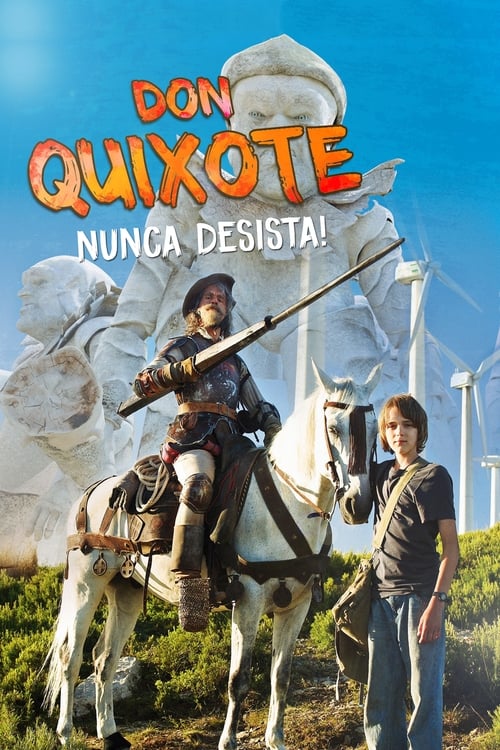
Don Quixote
2008
No user ratings available yet
Representation score: 3.6 out of 10

Representation Score
Fair
2010
Director
Christian Laurence
Runtime
108 minutes
Average Rating
No ratings yetNew Showbiz Analysis
Aurélie Laflamme's Diary is a localized character study that emphasizes regional cultural authenticity over diverse representation. The film operates as a traditional coming-of-age story, focusing on the universal emotional complexities of adolescence within a homogeneous social framework. The narrative structure revolves around conventional formulas, especially concerning romantic development and heterosexual norms. While it effectively centers a female protagonist's ability to drive the story, it does not challenge masculine hierarchies or explore diverse identities. Ultimately, the film captures a specific middle-class, Francophone reality. It highlights the nuances of personal growth and social pressures but does not address broader social or systemic diversities.
Category Breakdown
The film focuses on typical teenage romantic interests and heterosexual social structures. There is no depiction of same-sex relationships or non-binary gender identities.
The story centers on Aurélie's internal life, providing a meaningful platform for female perspectives. It gives the protagonist a significant role in navigating her social world without reinforcing submissive femininity.
The production features a predominantly white, French-speaking cast reflecting a specific Québécois environment. This focus on regional authenticity leads to a lack of diverse ethnic representation.
The story follows standard Western coming-of-age conventions and traditional family dynamics. Themes of alienation are explored through individual experiences rather than systemic critiques.
While the protagonist expresses feelings of social inadequacy and difference, these are not framed as formal disabilities. The struggles are portrayed as typical developmental challenges.
Present on Screen
Limited or Absent
Official Synopsis
Aurelie Laflamme feels alone in the world, especially since her father's death five years ago. What if her father had been an alien who left Earth to return to his own planet? In that case, Aurelie would be an alien too. That would explain many things such as why she feels different from others, especially her mother, why she can't string two words together without making a mistake, and why boys really get on her nerves. Through the pages of her diary, Aurelie confides her joys and sorrows, successes and failures, love and friendships, and tries to find her place.
2008
1997
1991
2009

2011
2021

2011
2008
No reviews yet. Be the first to share your thoughts on this movie!
Use the rating form above to leave a star rating and optional review.