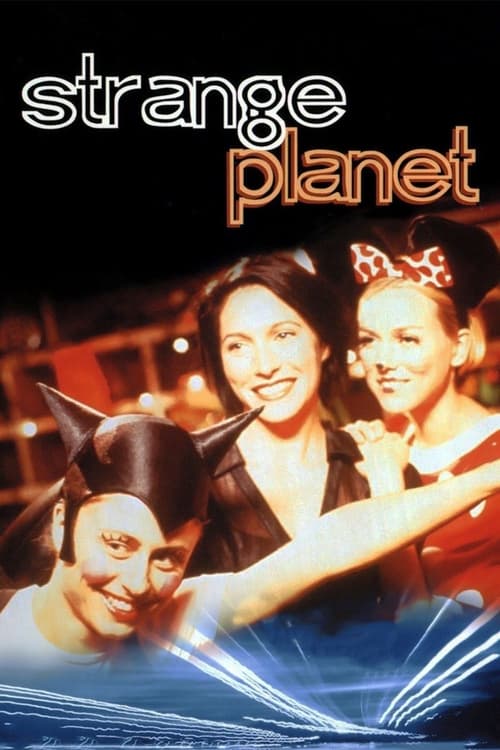
Strange Planet
1999
No user ratings available yet
Representation score: 4.0 out of 10
Representation Score
Good
1996
RDirector
Emma-Kate Croghan
Runtime
78 minutes
Average Rating
No ratings yetNew Showbiz Analysis
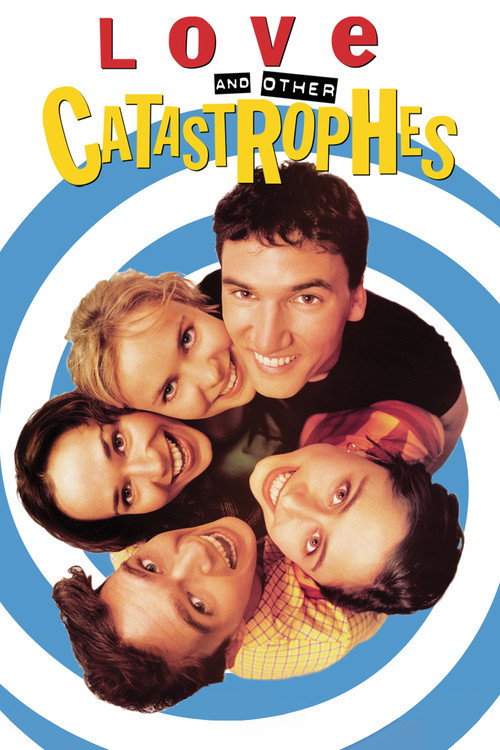
Love and Other Catastrophes succeeds as a nuanced exploration of identity by challenging traditional romantic arcs. It offers a multifaceted view of human connections and emotional autonomy. The film's primary strength lies in its subversion of gendered and straight-centered expectations. By emphasizing women's ability to drive the story and integrating LGBTQ identities into the core narrative, it provides a fresh take on romantic structures. However, the film is limited by its demographic homogeneity. The lack of racial, ethnic, and disability-based representation confines the scope to a specific Western, middle-class urban experience.
Category Breakdown
The film incorporates LGBTQ identities and same-sex attractions directly into its urban setting. Instead of marginalizing queer experiences, the story integrates them into the main plot.
Women's ability to drive the story and their complex friendships are central to the narrative. The film passes the Bechdel test, allowing women to have meaningful conversations unrelated to men.
The cast is primarily white, reflecting a specific middle-class, urban Australian demographic. The film lacks significant racial or ethnic diversity in its main storylines.
The story adopts a secular, postmodern perspective that prioritizes personal emotional truth over religious guidance. However, it remains centered within a Western, middle-class context.
There is no prominent or central depiction of physical or neurodivergent disabilities. Characters are defined by their emotional and romantic journeys rather than interactions with systemic disabilities.
Present on Screen
Limited or Absent
Official Synopsis
Over the course of one frantic day, five university students try to keep their heads above water.
1999
2000

1996

2003

1996

2002

2002

1998
No reviews yet. Be the first to share your thoughts on this movie!
Use the rating form above to leave a star rating and optional review.