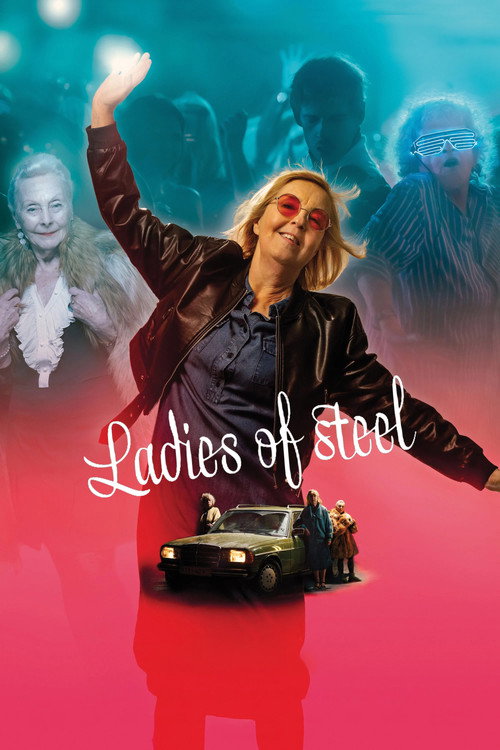
Ladies of Steel
2020
No user ratings available yet
Representation score: 5.6 out of 10

Representation Score
Fair
2014
Director
Isabell Šuba
Runtime
83 minutes
Average Rating
No ratings yetNew Showbiz Analysis
The film offers a sharp critique of the cinematic industry, particularly focusing on the systemic exclusion of women at major film festivals like Cannes. It effectively turns traditional gender roles upside down, presenting the female lead as the competent professional and the male lead as an incompetent figure stuck in outdated attitudes. However, the film's impact is limited by its narrow focus on gender issues, lacking visible representation of racial, ethnic, or LGBTQ+ identities.
Category Breakdown
The film does not depict any LGBTQ+ identities or relationships that go beyond the assumption that everyone is straight or cisgender.
The movie challenges traditional gender roles by showing Isabell as a capable professional while portraying David as an incompetent figure stuck in old-fashioned attitudes.
The context lacks specific details regarding the racial or ethnic composition of the cast. The narrative focus remains centered on the gendered politics of the Cannes Film Festival.
The film criticizes established Western institutions and traditional power structures, highlighting the lack of female directors in the industry.
There are no characters with visible or invisible disabilities in the story.
Present on Screen
Limited or Absent
Official Synopsis
Isabell Suba, ambitious up-and-coming director, has made it – one of her short films is in the line-up of the most important film festival of the world! When she arrives at the 65. Cannes film festival, she has face the accomplished facts: David, her incompetent producer, has kindly sublet their cosy joint apartment to other festival guests. The other bad news: There is not a single movie in the competition directed by a woman! This affirms Isabell’s qualms: The film business demands women to gear up instead of dressing up low cut! Moreover, the chauvinistic remarks of her comrade-in-arms David who feels comfortable around the clichéd gender stereotypes from the Stone Age seemingly prevalent in Cannes infuriate Isabell. As if this wasn’t enough already, a shattering feedback on her new film project by a potential investor finally causes her to doubt herself. Before she can live her dream up at the Olympus of film business, she must first find out who really believes in her.
2020

2017
2014

2000

2021
2020

2021
2014
No reviews yet. Be the first to share your thoughts on this movie!
Use the rating form above to leave a star rating and optional review.