
G.I. Joe: Valor vs. Venom
2004
No user ratings available yet
Diversity score: 2.3 out of 10

2010
TV-GDirector
Andrés Couturier
Runtime
79 minutes
Average Rating
No ratings yetSynopsis
The world’s most notorious bad guys are invited to the island fortress of super-villain Tan-Gu to compete in an Olympic-style tournament of evil, called the Evilympics. Mr. Magoo and his 12 year-old nephew Justin fight giant robot spiders, ninjas on jet skis, and Tan-Gu’s mutant “Beasteens”, as representatives of the anti-evil task force.
Overall Score
Limited
Category Breakdown
LGBTQ+ Representation
The film follows a traditional hero-versus-villain structure centered on a familial bond. There is no evidence of non-cisnormative gender identities or narratives that critique heteronormativity.
Gender Representation
Agency is concentrated in male characters, specifically Mr. Magoo and his nephew Justin. The story adheres to traditional action-oriented masculine archetypes without significant subversion of gender hierarchies.
Racial & Ethnic Diversity
The setting utilizes East Asian cultural motifs, such as ninjas and the Tan-Gu fortress. However, it is unclear if this provides meaningful representation or relies on stylized genre tropes.
Religious & Cultural Diversity
The narrative follows a standard heroic journey and a classic good-versus-evil dichotomy. It reinforces established competitive institutions rather than offering a critique of cultural or moral binaries.
Disability Representation
Mr. Magoo is traditionally associated with visual impairment. It remains unclear if this impairment is portrayed with nuance or used primarily as a comedic device or plot catalyst.
Strengths
Areas for Improvement
AI Analysis
Kung Fu Magoo operates as a conventional animated action-adventure that prioritizes genre tropes over social commentary. The narrative architecture relies on established heroic journeys and clear moral distinctions, which limits its capacity for intersectional depth. The film's focus on a male-led familial bond and traditional masculine archetypes results in a narrow demographic scope. While the setting incorporates East Asian aesthetics, the lack of specific character detail makes it difficult to determine if this is authentic representation or mere stylistic borrowing. Ultimately, the work functions within standard commercial frameworks. It favors predictable competitive structures and traditional heroism rather than deconstructing social hierarchies or exploring diverse identities.
2004
2005
1984
2005

2016
2005
2013
2022
2015
2022
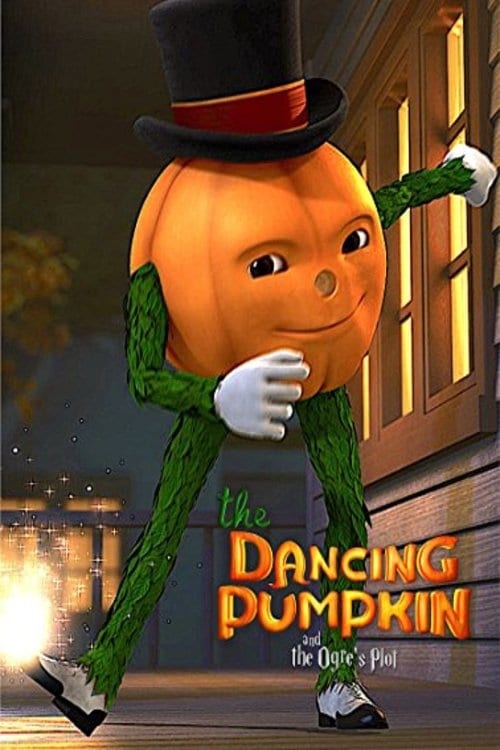
2017
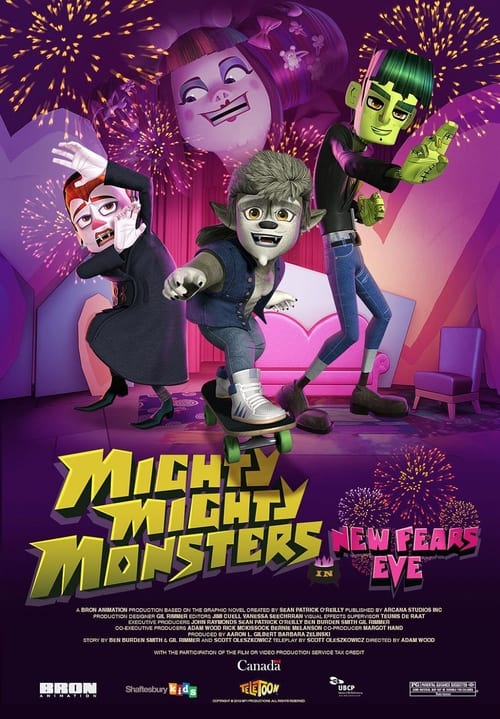
2013
No reviews yet. Be the first to share your thoughts on this movie!
Use the rating form above to leave a star rating and optional review.