Rocketship X-M
1950
No user ratings available yet
Representation score: 0.5 out of 10
Representation Score
Fair
1956
NRDirector
Edward Bernds
Runtime
80 minutes
Average Rating
No ratings yetNew Showbiz Analysis
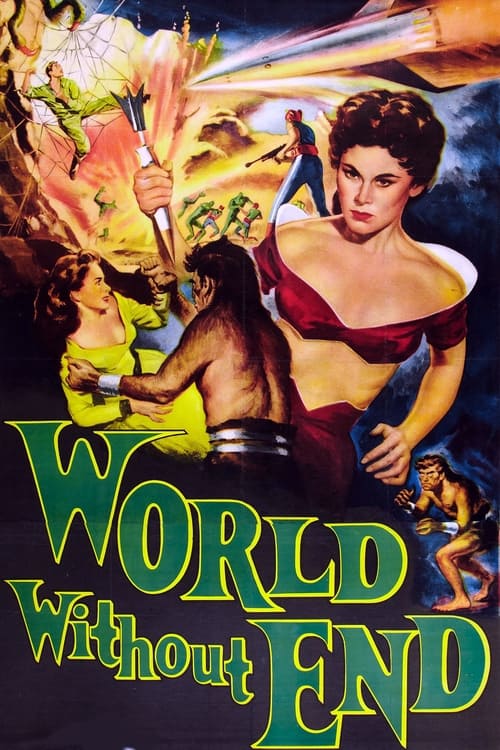
World Without End reflects the conventional social and narrative structures of its time, utilizing common science fiction themes such as the 'othering' of mutated populations and exploring a post-atomic wasteland. While the film addresses societal collapse and environmental struggles, it does not intentionally offer multi-layered complexity. The narrative does not actively seek to disrupt traditional hierarchies or provide diverse perspectives. Ultimately, the film functions as a typical mid-century adventure, prioritizing a traditional Western survival narrative over progressive social critique or diverse character representation.
Category Breakdown
The film does not include any LGBTQ+ characters or narratives. It follows the typical straight and cisgender social structures common in 1950s science fiction.
The story revolves around a male crew of astronauts, where ability to act is concentrated among the men. Gender roles are portrayed traditionally, without challenging or presenting masculinity in a non-traditional manner.
The plot centers on a future divided between 'normals' and 'mutants.' There is no indication of a non-white or diverse cast in this post-apocalyptic world.
The film serves as a cautionary tale about atomic warfare and systemic collapse. It operates within a traditional Western framework focusing on survival and discovery.
Mutated individuals are shown living like cavemen. This portrayal risks using physical differences as a symbol for 'otherness,' rather than giving these characters real ability to act.
Present on Screen
Limited or Absent
Official Synopsis
Four astronauts returning from man's first mission to Mars enter a time warp and crash on a 26th-century Earth devastated by atomic war. At first unaware where they are, but finding the atmosphere safe to breathe, they start exploring and find themselves in a divided future where disfigured mutants living like cavemen inhabit the surface, while the normals live comfortably below the surface but are dying as a race from lack of natural water, air and sunlight.
1950

1984
1958
1959

1951
1962

1965

1960
No reviews yet. Be the first to share your thoughts on this movie!
Use the rating form above to leave a star rating and optional review.