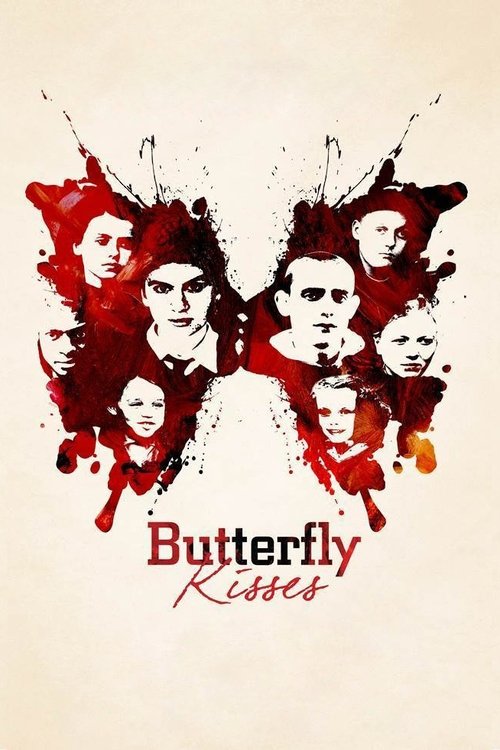
Butterfly Kisses
2017
No user ratings available yet
Representation score: 3.4 out of 10
Representation Score
Limited
2017
Director
Ricki Hostutler
Runtime
87 minutes
Average Rating
No ratings yetNew Showbiz Analysis
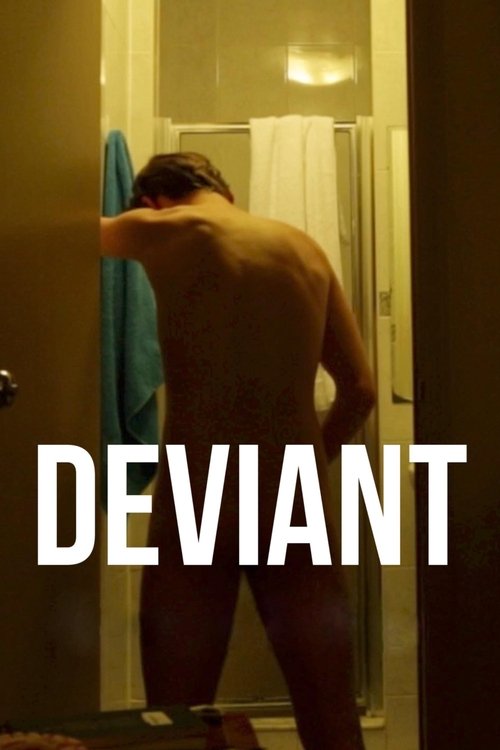
The film opens with a stark, high-contrast close-up of Jake’s face, immediately establishing a tone of psychological pressure rather than external action. This visual choice signals that the horror is internal, rooted in the protagonist’s fractured identity and obsessive desires. The camera lingers on Jake’s turmoil, treating his subjective experience as the primary subject, while women like Molly and Veronica are framed as objects of his obsession or tools for his self-destruction. The sold meaning is a meditation on the fragility of the self and the danger of unchecked desire. However, the film’s argument is contradicted by its internal logic: Jake is never fully held accountable for his actions, remaining the "hero" even as he causes or fails to prevent the tragedy. The Mistress scene, where female authority is used to degrade him, does not subvert traditional gender roles but rather reinforces them by making female power a means to male submission. The ending is ambiguous and unsettling, leaving Jake’s fate unresolved. This lack of closure rewards the audience with dread rather than moral clarity, suggesting that the self is not a stable entity and that the boundaries between reality and delusion are permeable. The film’s low-budget production values contribute to its intimate, claustrophobic feel, making the horror feel personal and immediate. Ultimately, the film critiques male obsession and control but does not offer a clear moral judgment, leaving the viewer to question the nature of identity and desire.
Category Breakdown
The narrative centers exclusively on heterosexual encounters between Jake and female partners. No same-sex intimacy, queer characters, or non-binary identities appear in the cast or dialogue.
Jake is the active agent whose desires drive the plot, while women function as reactive objects for his sexual consumption. The Mistress scene depicts female authority as a tool for male degradation rather than genuine power exchange.
The cast is predominantly white, with Korab Uka providing minor ethnic presence. Race is not a narrative theme; characters exist in an unmarked, middle-class domestic space without systemic commentary.
The film treats sexual addiction as a psychological failure rather than a social construct. Traditional family structures are backgrounded, while the protagonist’s isolation from community norms is framed as the source of his distress.
No characters display physical, sensory, or cognitive disabilities. Jake’s psychological distress is portrayed as a behavioral issue, not a medical condition requiring accommodation or representation.
Present on Screen
Limited or Absent
Official Synopsis
Jake, a young sex addict, finds his deviant mind turning on him as he continues his self-destruction through entertaining all of his darkest sexual fantasies and desires.
2017
2014

2019
1999

2018
2014
1974
1996
No reviews yet. Be the first to share your thoughts on this movie!
Use the rating form above to leave a star rating and optional review.