
Asphalt
2023
No user ratings available yet
Representation score: 4.3 out of 10
Representation Score
Fair
2002
Director
Tómas Gislason
Runtime
107 minutes
Average Rating
No ratings yetNew Showbiz Analysis
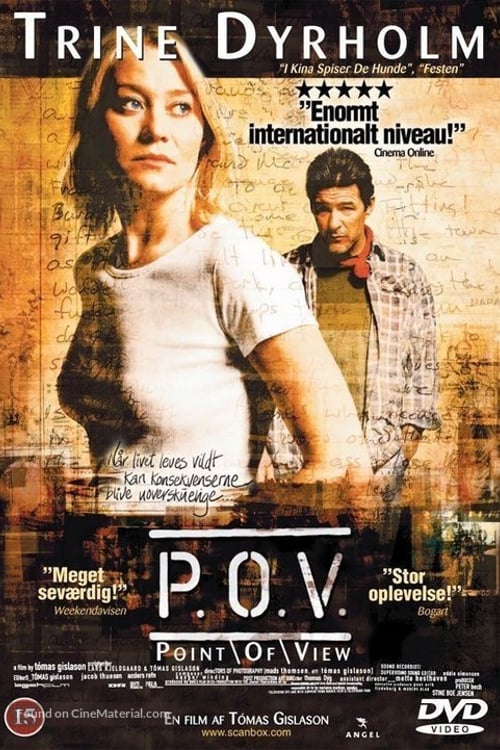
P.O.V. is a character-driven drama that emphasizes individualistic rebellion. The film centers on a woman reclaiming her independence by rejecting predetermined life paths, subtly critiquing traditional social milestones. However, the film lacks broad demographic diversity, focusing mainly on Western, white perspectives. It offers limited representation of racial, ethnic, or LGBTQ+ diversity. Ultimately, while the film explores the subversion of social structures, it remains a narrow exploration of personal autonomy.
Category Breakdown
The film does not include explicit LGBTQ+ characters or identities. The protagonist's rejection of marriage may hint at a critique of straight-centered structures, but there is no direct representation of queer individuals.
Kamilla is a central figure who rejects a traditional marriage to pursue her own path, highlighting female autonomy. However, the relationship dynamics between Kamilla and Rock remain somewhat ambiguous.
The story focuses primarily on a predominantly white, Western demographic in both Danish and American settings. There is no significant racial diversity or varied casting within the main characters.
The film challenges traditional institutions by emphasizing nomadic, individualistic experiences over social stability. It questions established religious and familial norms by rejecting formal marriage.
The narrative does not address characters dealing with physical, sensory, or neurodivergent conditions.
Present on Screen
Limited or Absent
Official Synopsis
Kamilla, a young Danish girl leaves for Las Vegas to get married. During the ceremony she changes her mind and runs away. She is picked up by Rock, a 40 year-old loner on a motorcycle. A meeting with Rock's aunt sends them in pursuit of Rock's father. During the trip, Rock has been carrying a mysterious package, and shortly before arriving in Seattle, Kamilla discovers what the package contains...
2023

1999

2009

2007

2013

2024

2012

2012
No reviews yet. Be the first to share your thoughts on this movie!
Use the rating form above to leave a star rating and optional review.