Find another title
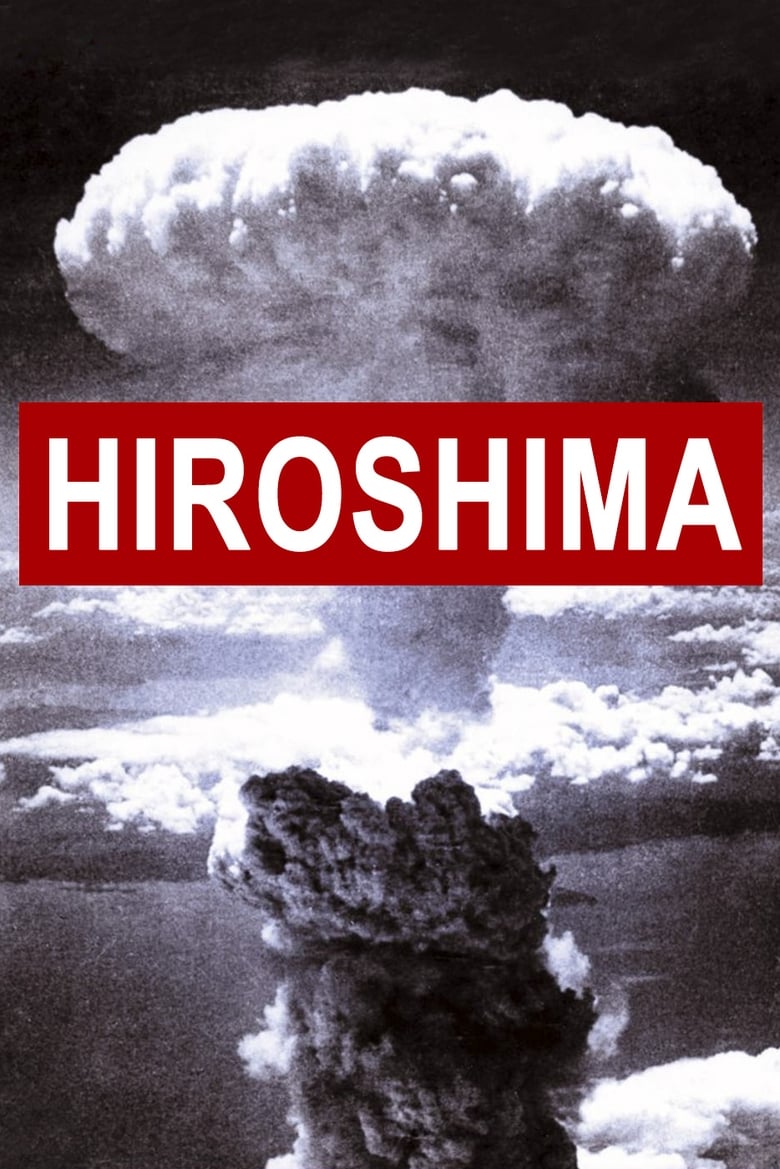
Hiroshima
2005
Director
Paul Wilmshurst
Runtime
89 minutes
Average Rating
No ratings yetSynopsis
The documentary recounts the world's first nuclear attack and examines the alarming repercussions. Covering a three-week period from the Trinity test to the atomic bombing of Hiroshima, the program chronicles America's political gamble and the planning for the momentous event. Archival film, dramatizations, and special effects feature what occurred aboard the Enola Gay (the aircraft that dropped the bomb) and inside the exploding bomb.
Where to Watch
Diversity & Representation
Overall Score
Fair
Category Breakdown
LGBTQ+ Representation
The film lacks any evidence of LGBTQ+ characters or narratives. The focus remains strictly on the geopolitical and military timeline of the nuclear program.
Gender Representation
The narrative prioritizes male-dominated hierarchies, such as military leadership and political decision-making. Structural agency is depicted through a traditional masculine lens of command and technical execution.
Racial & Ethnic Diversity
The plot is rooted in a homogeneous Western military context. While the Japanese victims are central to the repercussions, the primary drivers are Western military actors.
Religious & Cultural Diversity
The film avoids purely celebratory views of Western technological advancement. It instead frames the event through the devastating impact on human life and systemic consequences.
Disability Representation
It is unclear if the film uses characters with disabilities as story agents. The physical trauma of the blast is a theme, but specific representation is unverified.
Strengths
- Challenges celebratory war tropes by focusing on catastrophic humanitarian consequences.
- Provides a nuanced examination of the systemic repercussions of nuclear warfare.
- Effectively deconstructs the political and technical mechanics of the atomic bombing.
Areas for Improvement
- Lacks representation of non-heteronormative identities or LGBTQ+ narratives.
- Relies on a male-dominated lens for military and political decision-making.
- Focuses primarily on Western military agency rather than diverse social perspectives.
AI Analysis
Hiroshima (2005) serves as a historical reconstruction of the Trinity test and the atomic bombing. It focuses on the technical, political, and human repercussions of the first nuclear strike rather than character-driven intersectionality. The film succeeds in deconstructing the mechanics of a massive geopolitical event. By emphasizing the alarming repercussions and humanitarian fallout, it disrupts conventional, celebratory war tropes often found in historical military dramas. However, the narrative remains anchored in traditional power structures. The agency driving the plot is largely confined to Western military and political hierarchies, leaving little room for diverse social perspectives.
Rate this Movie
Reviews
No reviews yet. Be the first to share your thoughts on this movie!
Use the rating form above to leave a star rating and optional review.