My Nightmare
1993
No user ratings available yet
Representation score: 1.4 out of 10
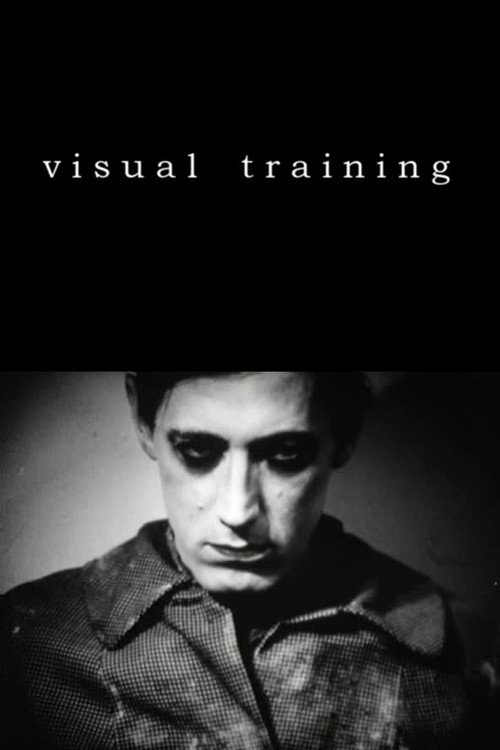
Representation Score
Fair
1969
Director
Frans Zwartjes
Runtime
8 minutes
Average Rating
No ratings yetNew Showbiz Analysis
Visual Training is a work focused on sensory texture and formalist experimentation. It prioritizes surreal imagery over social narratives, leading to a lack of identity-driven storytelling necessary for higher diversity metrics. The film's themes are abstract and tactile, often using the human form as a canvas for texture rather than for social critique. This focus on aesthetic relativism means traditional representations of race, gender, and orientation are largely absent. Ultimately, the film exists in a space of sensory abstraction where the pursuit of surreal imagery takes precedence over the creation of diverse or inclusive character arcs.
Category Breakdown
The film doesn't include any explicit references to LGBTQ+ identities or sexual orientations. While it explores themes of desire, it doesn't provide any specific LGBTQ+ character arcs or identities.
The story revolves around a power dynamic involving a man, a female helper, and a blindfolded woman. These roles are part of a ritualistic process rather than actively challenging gender hierarchies.
The casting follows the homogeneous standards typical of 1960s European avant-garde cinema. There's no indication of intentional racial diversity or a cast that challenges demographic norms.
The work emphasizes sensory abstraction over traditional moral or religious frameworks. It avoids conventional Western storytelling clichés but doesn't explicitly address anti-institutional or anti-capitalist themes.
A blindfold is used on the main character as a tool for creating psychological tension. This serves as a stylistic element of sensory deprivation rather than a detailed portrayal of disability.
Present on Screen
Limited or Absent
Official Synopsis
A man and his female helper lather a blindfolded woman's naked body with various foodstuffs.
1993

1969
1968
1965

1980
1975
1968
1968
No reviews yet. Be the first to share your thoughts on this movie!
Use the rating form above to leave a star rating and optional review.