
Sound of My Voice
2011
No user ratings available yet
Representation score: 6.2 out of 10
Representation Score
Fair
2018
TV-MADirector
David Slade
Runtime
90 minutes
Average Rating
No ratings yetNew Showbiz Analysis
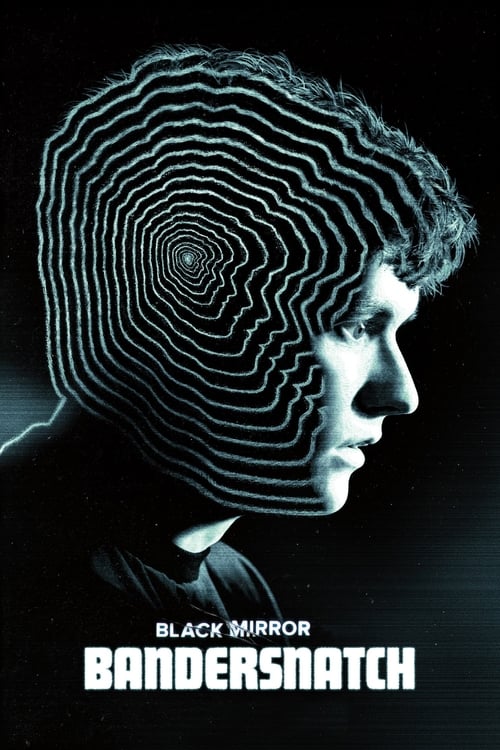
Black Mirror: Bandersnatch is a psychological experiment that prioritizes philosophical deconstruction over demographic breadth. While it challenges concepts of free will and authorship, it does so through a narrow social lens. The film excels in critiquing systemic industry structures and the erosion of individual ability to act. It uses its unique interactive structure effectively to dissolve traditional moral responsibilities. However, the production lacks depth in representing diverse racial, gendered, and LGBTQ+ perspectives.
Category Breakdown
The film operates within a framework that assumes everyone is straight and cisgender, with no queer narratives or non-cisgender identities present.
The story centers on a male protagonist and fails the Bechdel test. Female characters mainly serve as figures of authority or domestic stability rather than having independent roles.
Set in 1984, the film features a predominantly white cast reflecting a homogeneous social circle. The narrative lacks diverse ethnic perspectives.
The film uses a postmodern lens to critique systemic control and the erosion of individual ability to act, breaking down traditional moral structures.
Neurodivergence is explored through the protagonist's fractured reality, but these elements function more as psychological thriller clichés.
Present on Screen
Limited or Absent
Official Synopsis
In 1984, a young programmer begins to question reality as he adapts a dark fantasy novel into a video game. A mind-bending tale with multiple endings.
2011

2017

2004

2016

2011
2017
1997

2012
No reviews yet. Be the first to share your thoughts on this movie!
Use the rating form above to leave a star rating and optional review.