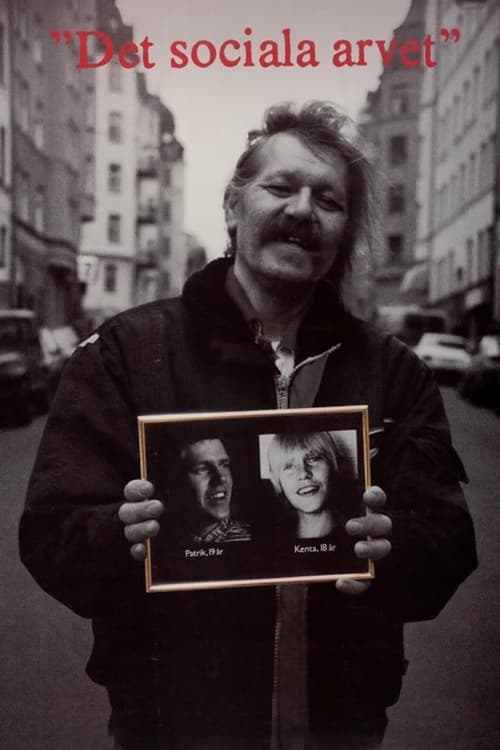
Misfits to Yuppies
1993
No user ratings available yet
Diversity score: 5.9 out of 10
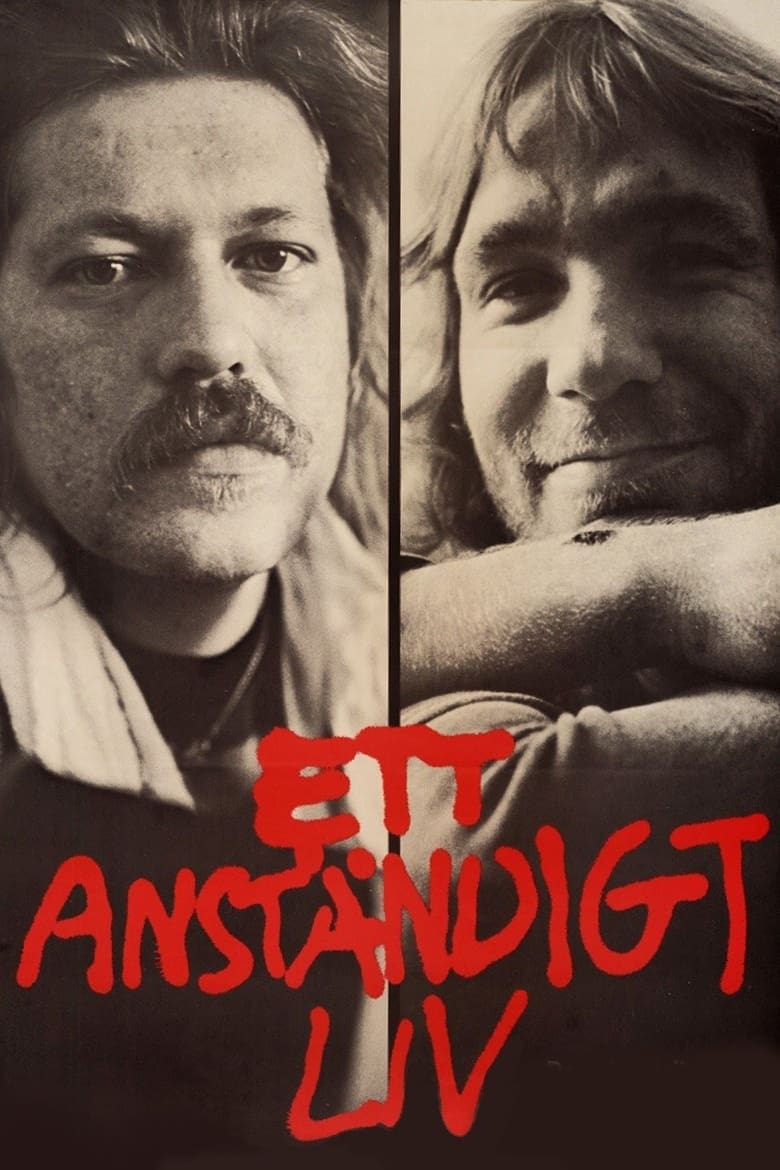
1979
Director
Stefan Jarl
Runtime
102 minutes
Average Rating
No ratings yetSynopsis
"A Respectable Life" - A decade has gone by and the spirit of the preceding film, Dom kallar oss mods, has disappeared. Kenta is an alcoholic and lives with his girlfriend Eva. Together they have a son, Patric. Kenta's mom is in jail for manslaughter and Kenta goes to Kronoberg to greet her. Heroin also comes to play and Stoffe is one of those who falls victim to it. He lives with his girlfriend Lena and their young son, Janne. Lena later throws Stoffe out their home when she gets enough of his abuse, and he is forced to live with his mother. Kenta calls Stoffe and decides to meet him, and he tries to persuade him to give up heroin, but the two have a falling out and they separate. This film features other users from the previous film, such as Jajje and Kenta Bergkvist. The film ends with the death of a prominent person in the trilogy.
Overall Score
Fair
Category Breakdown
LGBTQ+ Representation
The film lacks explicit LGBTQ+ characters or non-heteronormative identities. The narrative focuses on the domestic structures of the subjects through traditional romantic pairings.
Gender Representation
Women demonstrate agency by rejecting abusive partners, such as Lena's decision regarding Stoffe. Masculinity is portrayed through vulnerability and addiction, disrupting the trope of the competent provider.
Racial & Ethnic Diversity
The cast is ethnically homogeneous, reflecting the Swedish underclass of the late 1970s. There is a notable lack of racial or ethnic intersectionality within this socioeconomic stratum.
Religious & Cultural Diversity
The film offers a profound critique of the Swedish welfare model and Western institutional efficacy. It frames addiction and instability as symptoms of systemic failure rather than individual moral flaws.
Disability Representation
The documentary explores the invisible disabilities associated with long-term substance abuse. Subjects are treated as active participants in their struggles rather than mere objects of pity.
Strengths
Areas for Improvement
AI Analysis
Stefan Jarl’s documentary prioritizes a deep systemic critique of the Swedish welfare state over demographic variety. It succeeds in deconstructing the myth of social democratic stability by highlighting the failures of the family unit and legal systems. However, the film is demographically narrow. It lacks intersectional representation regarding race and sexual orientation, focusing instead on a specific, ethnically homogeneous socioeconomic group. Ultimately, the work finds its strength in its social realism. It shifts the perspective from individual criminality to systemic displacement, providing a raw look at those marginalized by society.
1993

2018

2017

2013

2017

2010

2005

2018
1967

1968
2005

2021
No reviews yet. Be the first to share your thoughts on this movie!
Use the rating form above to leave a star rating and optional review.