Deadly Prey
1987
No user ratings available yet
Diversity score: 2.7 out of 10
1988
RDirector
David A. Prior
Runtime
86 minutes
Average Rating
No ratings yetSynopsis
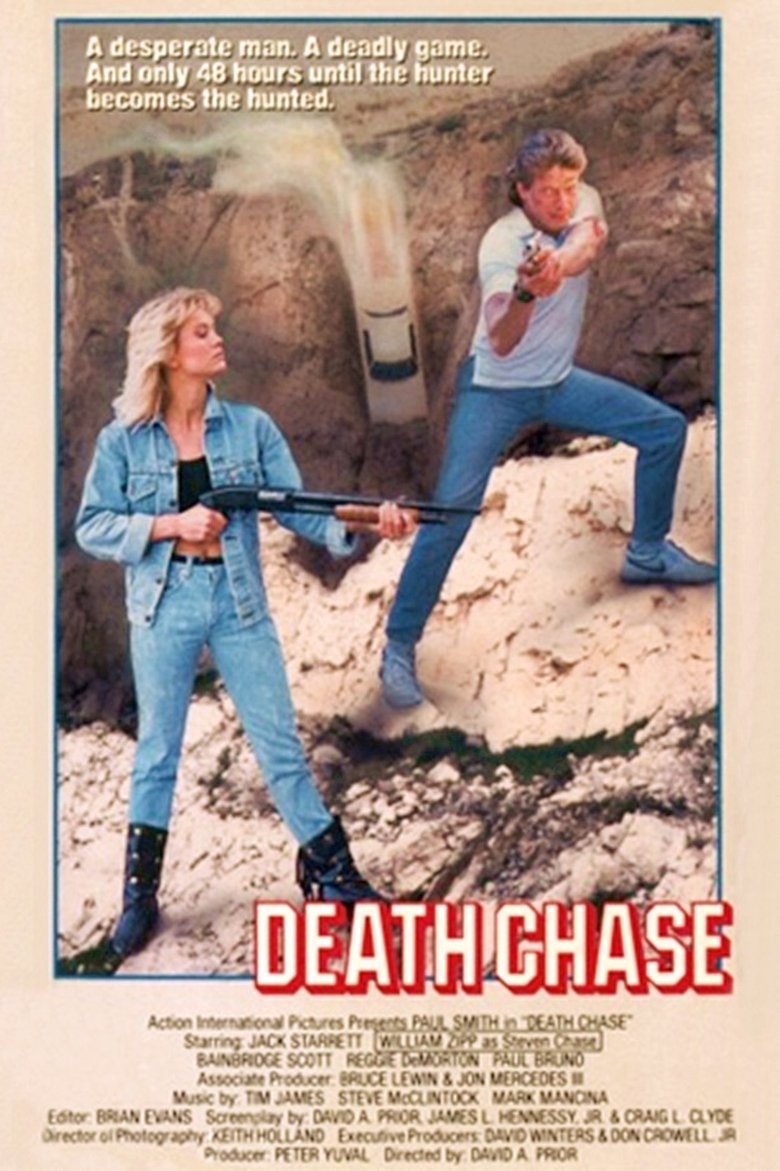
After a man's sister is killed by two gunmen who seemingly come out of nowhere, he manages to find and kill them. He then discovers that the men he killed were part of a multi-millionaire's bizarre "death game", where someone is hunted through the streets of Los Angeles by teams of killers who get a big-money prize for killing their quarry--and he realizes that now he is "it".
Overall Score
Limited
Category Breakdown
LGBTQ+ Representation
The film centers on a heteronormative revenge arc triggered by the death of a sister. There is no evidence of non-cisnormative identities or narratives that challenge traditional sexual orientations.
Gender Representation
A male protagonist drives the action through traditional masculine tropes. The female character functions primarily as a passive plot device to motivate the hero's retribution.
Racial & Ethnic Diversity
While set in Los Angeles, the narrative lacks evidence of a diverse or non-white cast. The story appears to follow conventional genre casting without explicit intersectional focus.
Religious & Cultural Diversity
The plot offers a critique of wealth disparity through a multi-millionaire's deadly game. However, the focus remains on individualistic revenge rather than a broader systemic or cultural critique.
Disability Representation
The available context provides no indication of characters with physical or neurodivergent disabilities.
Strengths
Areas for Improvement
AI Analysis
Death Chase is a product of late-1980s low-budget action cinema, adhering strictly to established genre archetypes. The narrative relies on a standard revenge trope where a male hero responds to personal loss, reinforcing traditional gender roles and individualistic heroism. While the film introduces a critique of capitalist excess through its 'death game' premise, this social commentary is secondary to the central action. The story lacks engagement with intersectional identities or progressive social frameworks, focusing instead on linear, high-stakes conflict. Ultimately, the film reflects the traditionalist paradigms of its era, offering minimal representation of diverse backgrounds or non-normative identities.
1987
1992
1994
1994
1984
1993

2001
1998
2013
1995

1991

1985
No reviews yet. Be the first to share your thoughts on this movie!
Use the rating form above to leave a star rating and optional review.