
My Name Is Kozha
1963
No user ratings available yet
Representation score: 3.1 out of 10
Representation Score
Limited
2023
Director
Eric Barbier
Runtime
105 minutes
Average Rating
No ratings yetNew Showbiz Analysis
Zodi and Téhu, brothers of the desert is a traditional family adventure that emphasizes a universalist, fable-like structure. The film focuses on the coming-of-age journey of a young nomad and his animal companion, highlighting companionship over social critique. While the desert setting provides a break from Western urban environments, the film lacks multi-layered complexity. It operates as a character-driven story that adheres to established adventure patterns rather than challenging systemic power dynamics or social hierarchies.
Category Breakdown
The film does not include any LGBTQ+ characters or stories about people whose gender doesn't match the sex they were assigned at birth. The story focuses solely on the relationship between a child and his camel.
The story centers around a twelve-year-old boy. It's unclear whether the supporting characters challenge traditional gender roles or follow typical adventure storylines.
By focusing on a nomadic desert lifestyle, the film shifts away from Western-centric themes. This provides representation of desert cultures, although it's uncertain if the characters have significant control over their own story arcs.
The film uses a non-Western setting but leans towards traditional adventure clichés. It seems to favor a sentimental portrayal of friendship rather than questioning cultural norms.
There is no mention of characters with visible or invisible disabilities in the available narrative description.
Present on Screen
Limited or Absent
Official Synopsis
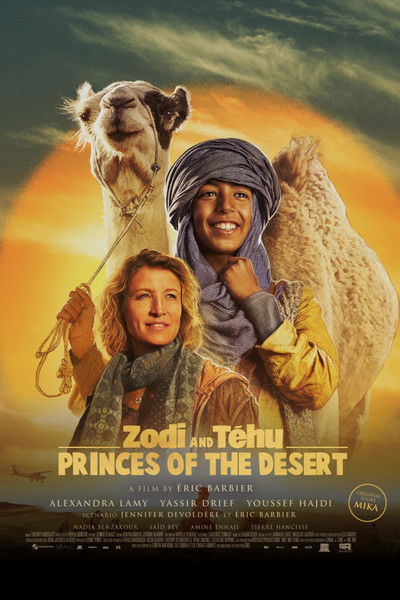
Zodi, a 12 years old nomad, find an orphan baby dromedary in the desert. He takes in the animal, feeds it, calls it Téhu and becomes its best friend.
1963

2005
2026
2018
2024
2007
1958
2022
No reviews yet. Be the first to share your thoughts on this movie!
Use the rating form above to leave a star rating and optional review.