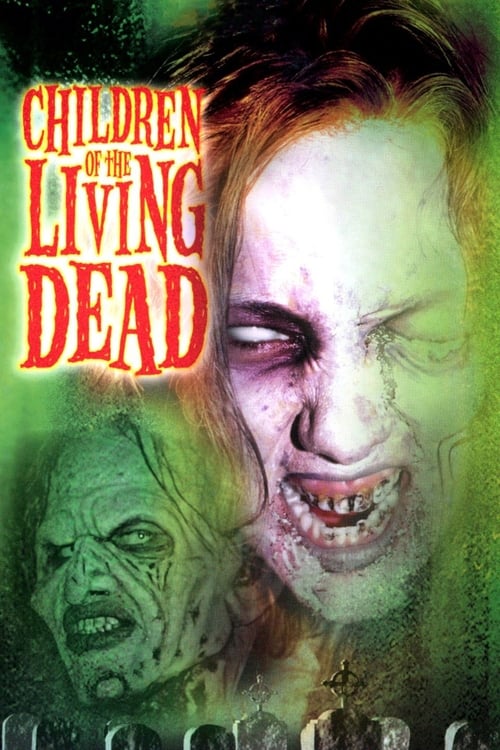
Children of the Living Dead
2001
No user ratings available yet
Diversity score: 2.2 out of 10
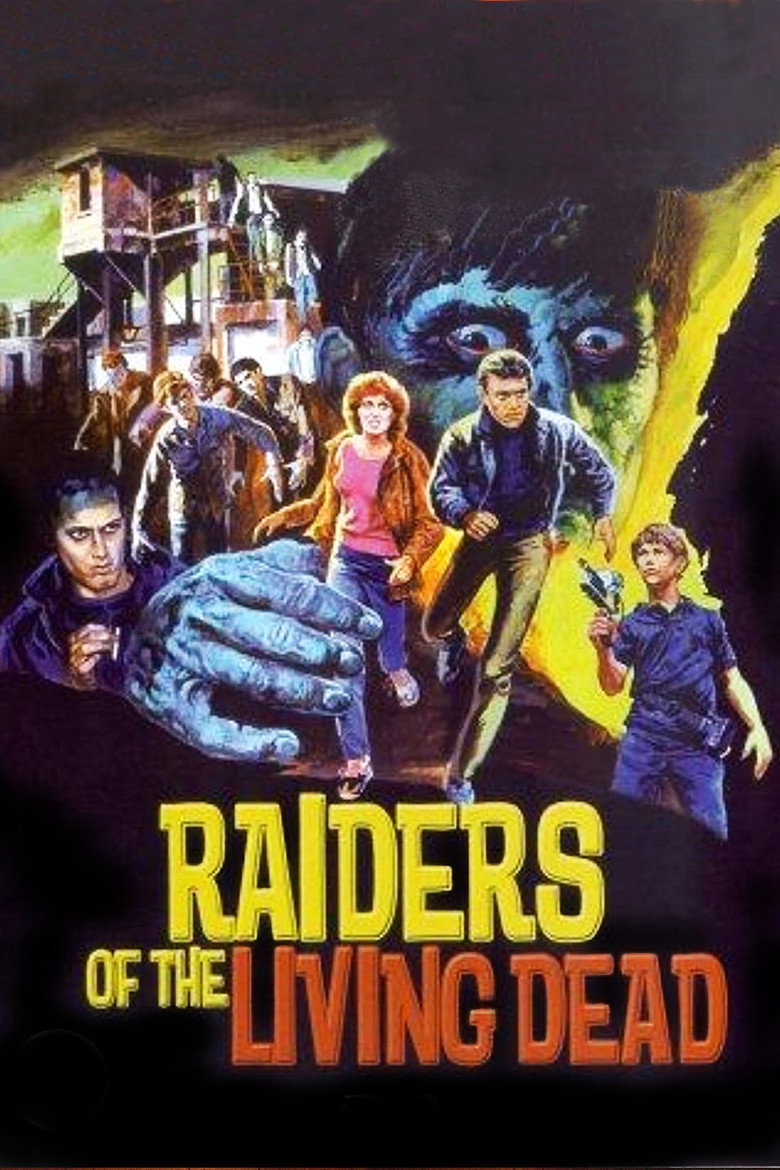
1986
PG-13Director
Samuel M. Sherman
Runtime
86 minutes
Average Rating
No ratings yetSynopsis
In an abandoned prison, a doctor has revived executed convicts as the living dead. Teenager, Jonathan creates a laser gun from a videodisc player and pursues the walking dead, aided by his girlfriend and grandfather. Also tracking down the zombies is a tabloid reporter.
Overall Score
Limited
Category Breakdown
LGBTQ+ Representation
The film lacks any visible presence of LGBTQ+ characters or non-cisnormative identities. It adheres to standard mid-80s horror conventions, focusing on heteronormative survival dynamics.
Gender Representation
The film utilizes traditional gender roles common to the exploitation era. While the female lead possesses agency, she primarily functions within the established love interest or companion archetype.
Racial & Ethnic Diversity
The cast and narrative focus appear largely homogeneous, reflecting the limited budgetary and casting constraints of 1980s independent horror. There is no evidence of intentional racial blending.
Religious & Cultural Diversity
The narrative is built upon traditional Western survivalist tropes. It lacks the moral relativism or systemic critiques of Western institutions found in more contemporary progressive cinema.
Disability Representation
There is no discernible representation of neurodivergence, physical disability, or chronic illness. Characters are depicted solely through the lens of physical capability required for survival horror.
Strengths
Areas for Improvement
AI Analysis
Raiders of the Living Dead is a quintessential example of mid-80s independent genre filmmaking. It prioritizes practical horror elements and traditional tropes over social or intersectional complexity. The narrative functions as a straightforward survival story rather than a vehicle for progressive commentary. The film relies heavily on established social hierarchies. From its homogeneous casting to its adherence to conventional gender roles, the work offers little disruption to the status quo of its era. Ultimately, the production reflects the budgetary and casting constraints of 1980s exploitation cinema, resulting in a narrative that lacks systemic critique or diverse representation.
2001
1988
2007
2006
2006
2006
1990
2012

2007

2000
1982

1959
No reviews yet. Be the first to share your thoughts on this movie!
Use the rating form above to leave a star rating and optional review.