
White Boy Rick
2018
No user ratings available yet
Representation score: 3.6 out of 10

Representation Score
Limited
2001
RDirector
Ted Demme
Runtime
124 minutes
Average Rating
No ratings yetNew Showbiz Analysis
Blow is a period-specific character study that prioritizes the critique of capitalist ideals over demographic inclusivity. It succeeds as a critique of the American Dream, illustrating how the pursuit of wealth can lead to institutional and personal decay. However, the film remains narrow in its social scope. The narrative centers around a white, patriarchal framework that offers limited representation for diverse identities. While it explores the fragility of the family unit, it does so through a traditional lens. Ultimately, the film serves as a study of institutional decay but lacks the breadth to represent a multi-ethnic or LGBTQ+ society.
Category Breakdown
The film follows traditional romantic relationships and does not include diverse LGBTQ+ identities or perspectives. It reflects the social norms of the 1960s through the 1980s, where non-straight relationships were less represented.
Male characters drive the plot's economic and violent actions, while women often play supporting or domestic roles, serving as emotional support or collateral damage to the main character's goals.
The cast is mainly white and Anglo-Saxon, representing a specific socioeconomic group. The narrative focuses on a homogeneous American experience without exploring diverse racial backgrounds.
The story critiques the American Dream and unregulated capitalism, showing how the pursuit of wealth can lead to moral and personal decay.
There are no prominent depictions of visible or invisible disabilities. No such themes are central to the narrative or character development.
Present on Screen
Limited or Absent
Official Synopsis
The story of how George Jung, together with the Medellín Cartel led by Pablo Escobar, established the billion-dollar cocaine empire in the United States in the 1970s.
2018
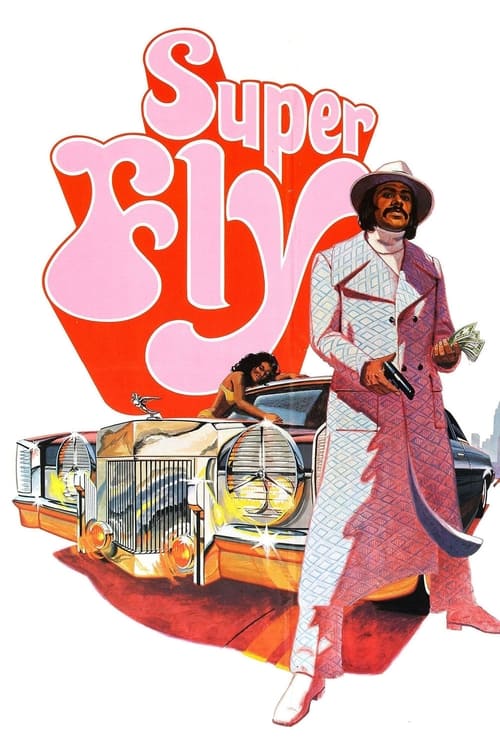
1972
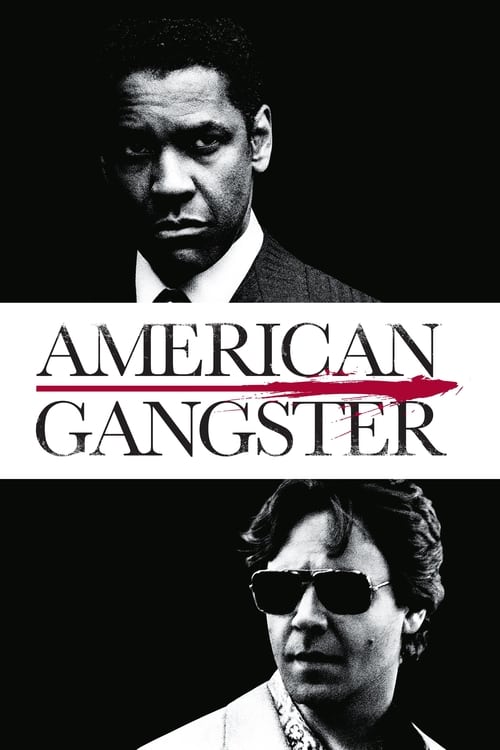
2007

1991

1995
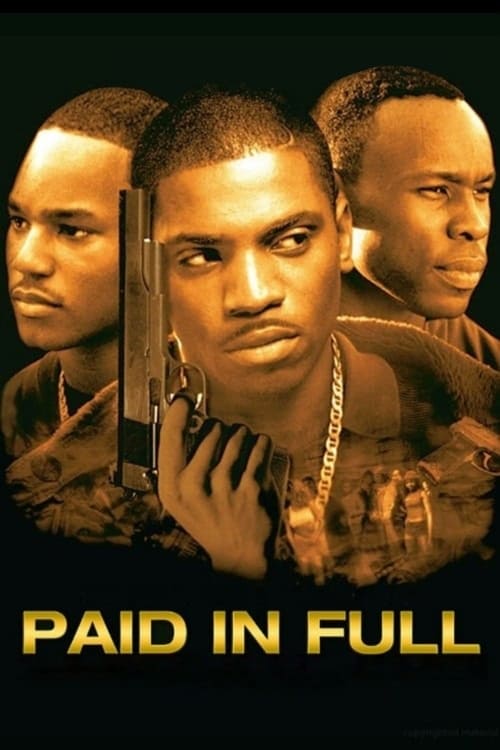
2002
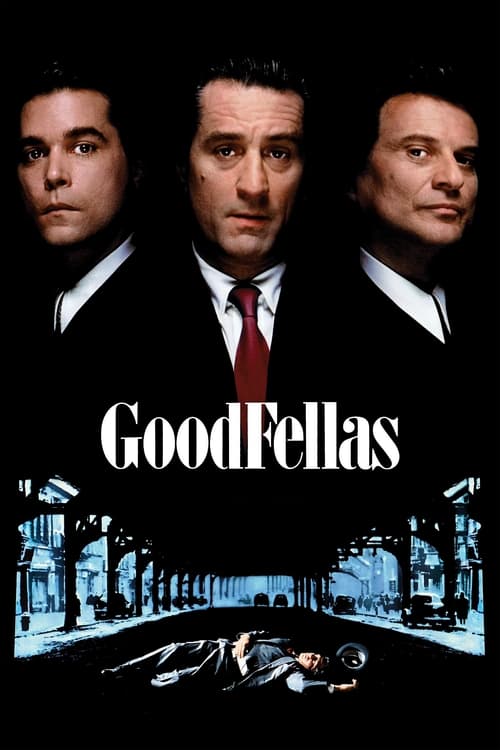
1990

2010
No reviews yet. Be the first to share your thoughts on this movie!
Use the rating form above to leave a star rating and optional review.