
Reality Bites
1994
No user ratings available yet
Representation score: 4.8 out of 10
Representation Score
Fair
1995
RDirector
Noah Baumbach
Runtime
96 minutes
Average Rating
No ratings yetNew Showbiz Analysis
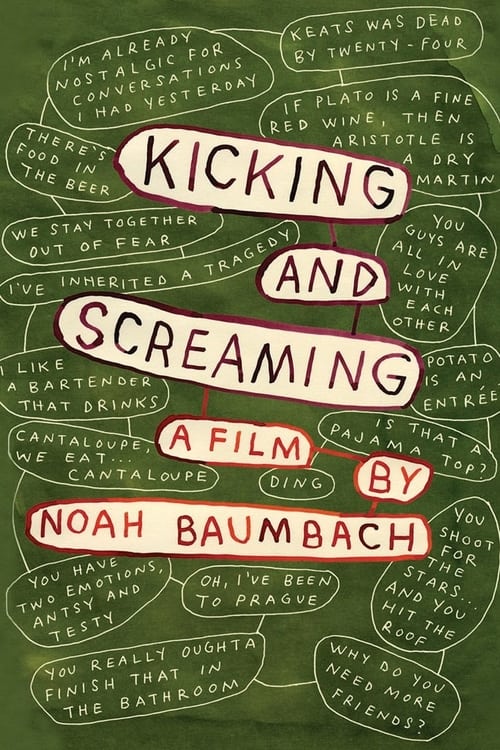
Kicking and Screaming explores modern domestic life with a focus on psychological realism rather than broad demographic representation. It successfully critiques traditional social structures and the stability of the nuclear family, offering a nuanced look at emotional stagnation and the erosion of authority figures. However, the film falls short in representing diverse identities, including racial and LGBTQ+ communities. It focuses primarily on a homogeneous, heterosexual experience, lacking engagement with broader social issues. Ultimately, the work is a focused character study that prioritizes depth over breadth, examining emotional paralysis and the breakdown of traditional authority.
Category Breakdown
The film does not include significant storylines involving LGBTQ+ characters or non-traditional gender identities. The focus remains on heterosexual relationships and interpersonal conflicts.
Gender roles are challenged through shared emotional struggles rather than empowerment. While the film avoids traditional gender stereotypes, it does not give prominent roles to female characters.
The story is set in a predominantly white, middle-class environment in New York. There is no indication of racial diversity or inclusive casting.
The film emphasizes secular themes and questions traditional Western institutions. It portrays the nuclear family as a source of problems rather than stability.
Themes of mental health and neurosis are explored as part of the indie realism style. Characters with disabilities do not have significant storylines or narrative ability to act.
Present on Screen
Limited or Absent
Official Synopsis
After college graduation, Grover's girlfriend Jane tells him she's moving to Prague to study writing. Grover declines to accompany her, deciding instead to move in with several friends, all of whom can't quite work up the inertia to escape their university's pull. Nobody wants to make any big decisions that would radically alter his life, yet none of them wants to end up like Chet, the professional student who tends bar and is in his tenth year of university studies.
1994

1990

2014

1998

1985
1996

2010

1994
No reviews yet. Be the first to share your thoughts on this movie!
Use the rating form above to leave a star rating and optional review.