Curtain
2015
No user ratings available yet
Representation score: 1.9 out of 10
Representation Score
Fair
2026
RDirector
Kane Parsons
Runtime
111 minutes
Average Rating
No ratings yetNew Showbiz Analysis
Backrooms (2026) presents a horror narrative rooted in psychological trauma and liminal dread, with a cast that includes notable actors of color. However, the film’s approach to diversity remains surface-level. LGBTQ+ representation is entirely absent, and gender roles lean traditional, with male and female leads defined by their psychological flaws rather than agency. Racial diversity is a relative strength, given the genre’s historical homogeneity, but the lack of clarity around the roles of actors like Ejiofor and Jogia leaves their impact uncertain. Disability and mental health are present but treated as plot mechanics rather than nuanced themes. Overall, the film’s diversity score reflects its limited engagement with broader social structures. While it avoids some genre pitfalls, it stops short of meaningful representation or systemic critique.
Category Breakdown
No LGBTQ+ characters appear or are identified in available materials. The narrative centers on a straight couple’s dissolved marriage and a therapist’s family trauma, leaving queer perspectives entirely absent from the story.
Clark and Mary share lead roles, yet Clark’s alcoholism and failed career dominate the early setup. Mary’s agoraphobia and institutionalized mother frame her as reactive rather than leading, reinforcing traditional gender dynamics.
Chiwetel Ejiofor and Avan Jogia appear in the top cast, adding visible diversity to a horror film that usually features all-white casts. Their specific roles and screen time remain unclear, limiting the impact of their presence.
The story treats addiction and family breakdown as personal failures rather than systemic issues. Western institutions like therapy and research labs are shown as flawed but necessary tools, reflecting a narrow cultural lens.
Mary’s agoraphobia and her mother’s institutionalization appear as backstory elements. These conditions drive plot tension but are not explored as lived experiences with depth, reducing them to narrative devices.
Present on Screen
Limited or Absent
Official Synopsis
A strange doorway appears in the basement of a furniture showroom.
2015
2009
2007
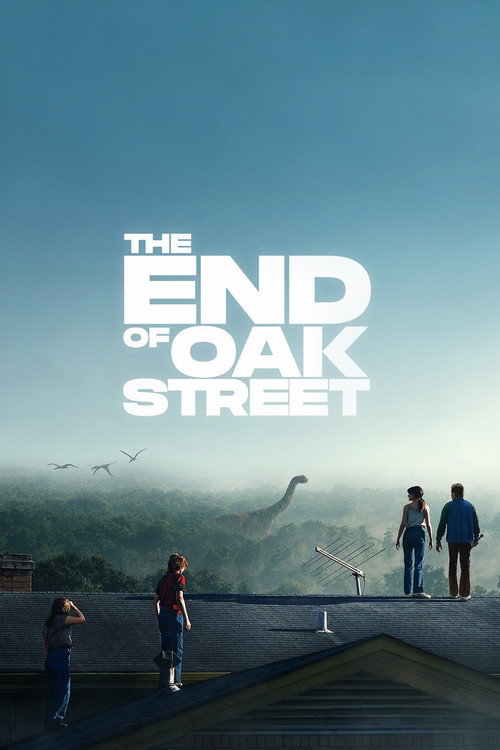
2026
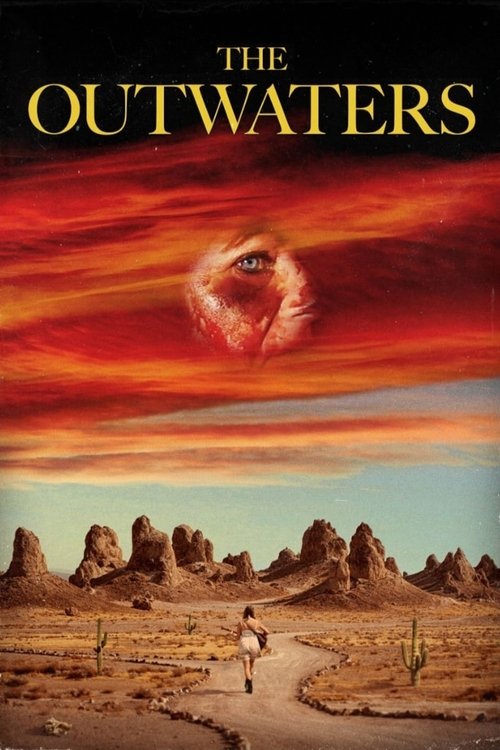
2023
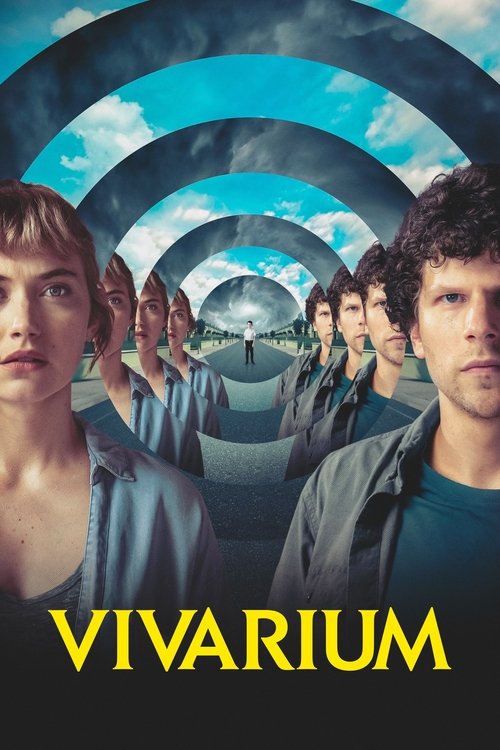
2019
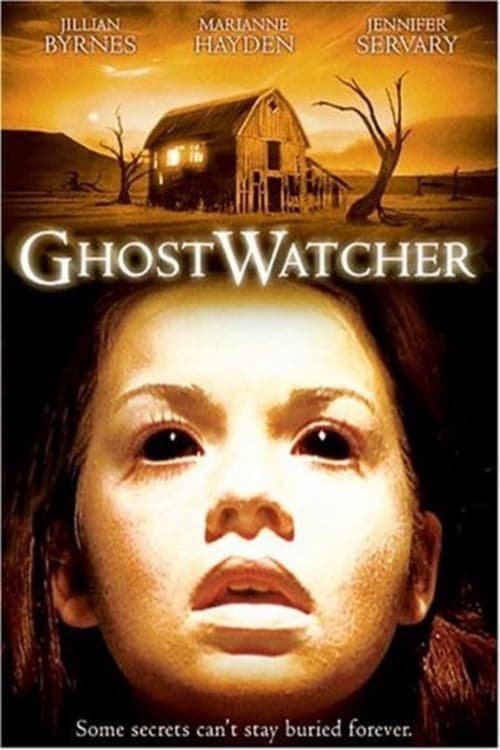
2002
2016
No reviews yet. Be the first to share your thoughts on this movie!
Use the rating form above to leave a star rating and optional review.