Find another title
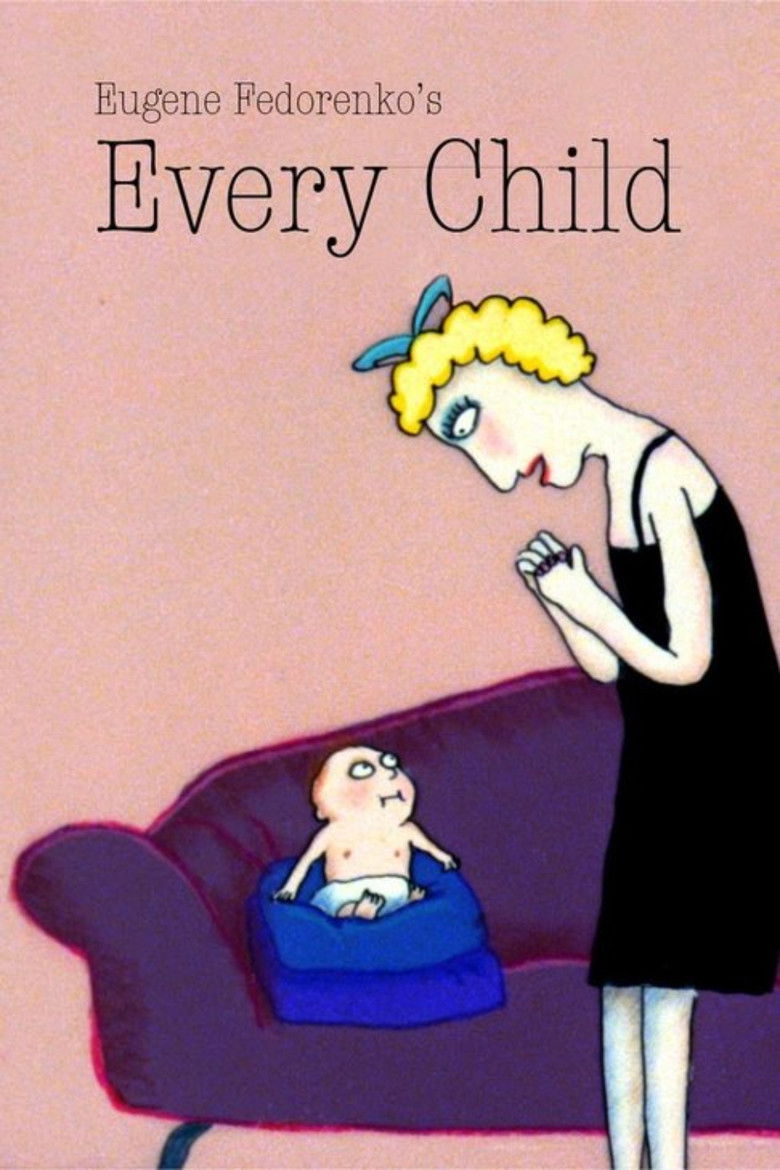
Every Child
1979
Director
Eugene Fedorenko
Runtime
6 minutes
Average Rating
No ratings yetSynopsis
This animated short follows an unwanted baby who is passed from house to house. The film is the Canadian contribution to an hour-long feature film celebrating UNESCO's Year of the Child (1979). It illustrates one of the ten principles of the Declaration of Children's Rights: every child is entitled to a name and a nationality. The film took home an Oscar® for Best Animated Short Film.
Where to Watch
Diversity & Representation
Overall Score
Fair
Category Breakdown
LGBTQ+ Representation
The film lacks explicit depictions of LGBTQ+ identities or non-heteronormative relationships. The narrative focuses on the fundamental rights of a child, centering primarily on the parent-child dynamic.
Gender Representation
The story disrupts traditional nuclear family models by depicting a child passed between various households. While this avoids some domestic archetypes, there is no clear evidence of deliberate gender subversion.
Racial & Ethnic Diversity
The film uses nationality and the right to a name as metaphors for global citizenship. The movement through disparate households suggests a framework designed to showcase diverse cultural backgrounds.
Religious & Cultural Diversity
The film prioritizes internationalist ideals over Western domesticity by centering on the Declaration of Children's Rights. It frames the child's experience through systemic entitlement and global identity.
Disability Representation
The film explores the vulnerability of an unwanted child, but provides no specific evidence regarding the portrayal of physical or neurodivergent disabilities.
Strengths
- Strong alignment with internationalist and humanitarian ideals through its UNESCO connection.
- Effective use of a shifting domestic setting to challenge monolithic views of the traditional family.
- Thematic focus on global citizenship and universal human rights.
Areas for Improvement
- Lack of explicit representation for LGBTQ+ identities or non-heteronormative structures.
- Absence of specific portrayals regarding physical or neurodivergent disabilities.
- Insufficient evidence of deliberate subversion of traditional gender hierarchies.
AI Analysis
Every Child succeeds in elevating humanitarian themes by aligning its narrative with UNESCO's principles of universal human rights. By focusing on a child's right to a name and nationality, the film moves beyond simple domestic storytelling to embrace a global perspective. However, the film remains limited in its specific representation of identity. While it challenges the stability of the traditional nuclear family, it lacks explicit engagement with LGBTQ+ identities or specific depictions of disability. Ultimately, the work functions more as a systemic critique of how children are treated globally rather than a character-driven exploration of diverse personal identities.
Rate this Movie
Reviews
No reviews yet. Be the first to share your thoughts on this movie!
Use the rating form above to leave a star rating and optional review.