
537 Votes
2020
No user ratings available yet
Diversity score: 5.0 out of 10
2021
TV-MADirector
Jamie Roberts
Runtime
92 minutes
Average Rating
No ratings yetSynopsis
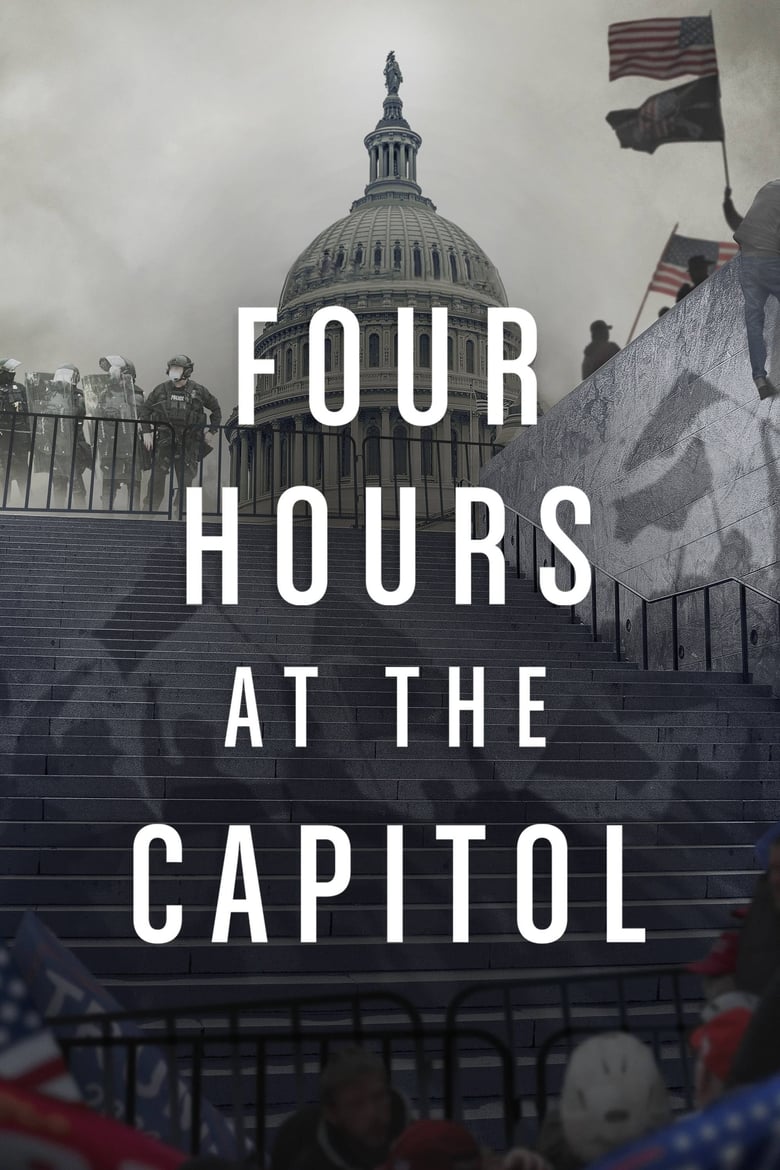
The documentary is an immersive chronicle of the insurrection at the U.S. Capitol on January 6, 2021, when thousands of American citizens from across the country gathered in Washington D.C. to protest the results of the 2020 presidential election, many with the intent of disrupting the certification of Joe Biden's presidency.
Overall Score
Fair
Category Breakdown
LGBTQ+ Representation
The film lacks explicit depictions of LGBTQ+ identities or same-sex intimacy. As a chronological chronicle of a political event, it does not feature narratives addressing non-cisnormative gender identities.
Gender Representation
Men and women are both visible among the participants at the Capitol. However, the film does not engage with gendered hierarchies or provide women with specific agency beyond their presence in the crowd.
Racial & Ethnic Diversity
The use of cell phone video and livestreams captures a heterogeneous demographic of various racial and ethnic backgrounds. While diverse, the film does not center marginalized identities as primary narrative drivers.
Religious & Cultural Diversity
The documentary provides a visceral study of the fragility of democratic institutions. By documenting the breach of the Capitol, it offers a postmodern critique of established systemic order and authority.
Disability Representation
There is no intentional focus on neurodivergence or physical disabilities. While individuals with disabilities may appear incidentally within the crowd, they lack specific agency or character arcs.
Strengths
Areas for Improvement
AI Analysis
Four Hours at the Capitol functions as an observational document rather than a curated social commentary. Its strength lies in its raw, unmediated depiction of a moment that challenges the stability of Western political institutions. The film's reliance on found footage provides a naturally diverse visual record of the participants. However, the documentary lacks intentionality regarding specific marginalized identities. Because it relies on archival footage of a spontaneous event, it does not provide depth for LGBTQ+, disability, or gender-specific narratives. The representation is a byproduct of the crowd's composition rather than deliberate storytelling. Ultimately, the film succeeds as a study of systemic instability. While it misses opportunities to highlight specific lived experiences, its structural focus on the disruption of power hierarchies provides significant cultural engagement.
2020
2018

2021
2015

2013

2016

2020
2021

2014
2020

2016

2024
No reviews yet. Be the first to share your thoughts on this movie!
Use the rating form above to leave a star rating and optional review.