Find another title
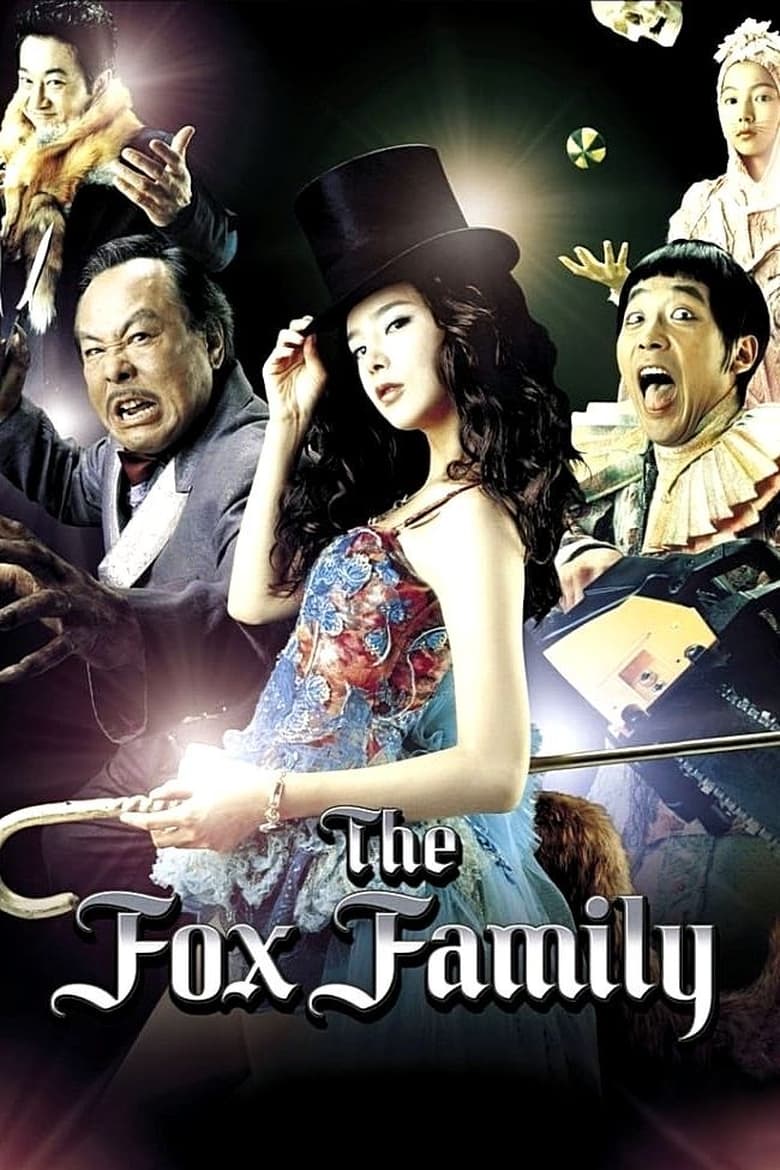
The Fox Family
2006
Director
Lee Hyung-gon
Runtime
101 minutes
Average Rating
No ratings yetSynopsis
The Kumiho family circus in town -- and with it, apparently, a mysterious murderer. The members of motherless family aren’t helping their case with their strange remarks about humans and their initial performances, cavalcades of dismemberment and torrents of blood which terrify the local kids. Pretty soon, a dour, downbeat cop is on the tail of the plucky, bumbling Kumihos. Or rather, tails -- “kumiho” is the word for the fox spirits of Korean mythology, and this clan from Nam Mountain near Seoul, temporarily disguised as people thanks to a magic spell, must eat human livers during a brief, once-in-a-millennium lunar eclipse to shed their foxy nature and assume permanent human form. When the sleazy reprobate on the run from mobsters stumbles into their eerie household, he soon finds himself a little too enthusiastically involved in their scheming after human flesh—and involved with the sexy elder-sister fox spirit as well!
Where to Watch
Diversity & Representation
Overall Score
Good
Category Breakdown
LGBTQ+ Representation
The story centers on heteronormative romantic tensions between a sleazy reprobate and a fox spirit. No queer identities or non-cisnormative romantic arcs are present.
Gender Representation
Female fox spirits hold significant agency, particularly the elder sister who subverts passive tropes. However, the film still relies on traditional masculine archetypes like the downbeat cop.
Racial & Ethnic Diversity
The film is rooted in Korean mythology, centering the Kumiho and Nam Mountain. This prioritizes non-Western mythos and uses fox spirits as metaphors for marginalized outsiders.
Religious & Cultural Diversity
The narrative critiques social structures by framing the human world as a judgmental space. It uses unconventional family units to deconstruct idealized domestic concepts.
Disability Representation
There is no evidence regarding the portrayal of physical or neurodivergent disabilities in this work.
Strengths
- Strong cultural foundation using Korean mythology and specific regional geography.
- Effective use of the 'outsider' archetype to critique established social structures.
- Subversion of passive female tropes through characters with significant agency.
Areas for Improvement
- Lack of explicit LGBTQ+ representation or non-cisnormative romantic arcs.
- Reliance on traditional masculine archetypes in supporting characters.
- Absence of visible disability representation within the narrative.
AI Analysis
The film uses Korean folklore to explore the tension between the 'human' and the 'other.' By centering the Kumiho, it successfully moves away from Western-centric storytelling and challenges the hegemony of social normalcy. While the narrative excels at cultural deconstruction and presenting systemic outsiders, it remains limited by traditional romantic tropes and masculine archetypes. The focus on heteronormative tension prevents a higher score in identity representation. Ultimately, the film's strength is its moral relativism. It uses a fantasy lens to disrupt standard ethical frameworks and social integration expectations.
Rate this Movie
Reviews
No reviews yet. Be the first to share your thoughts on this movie!
Use the rating form above to leave a star rating and optional review.