Find another title
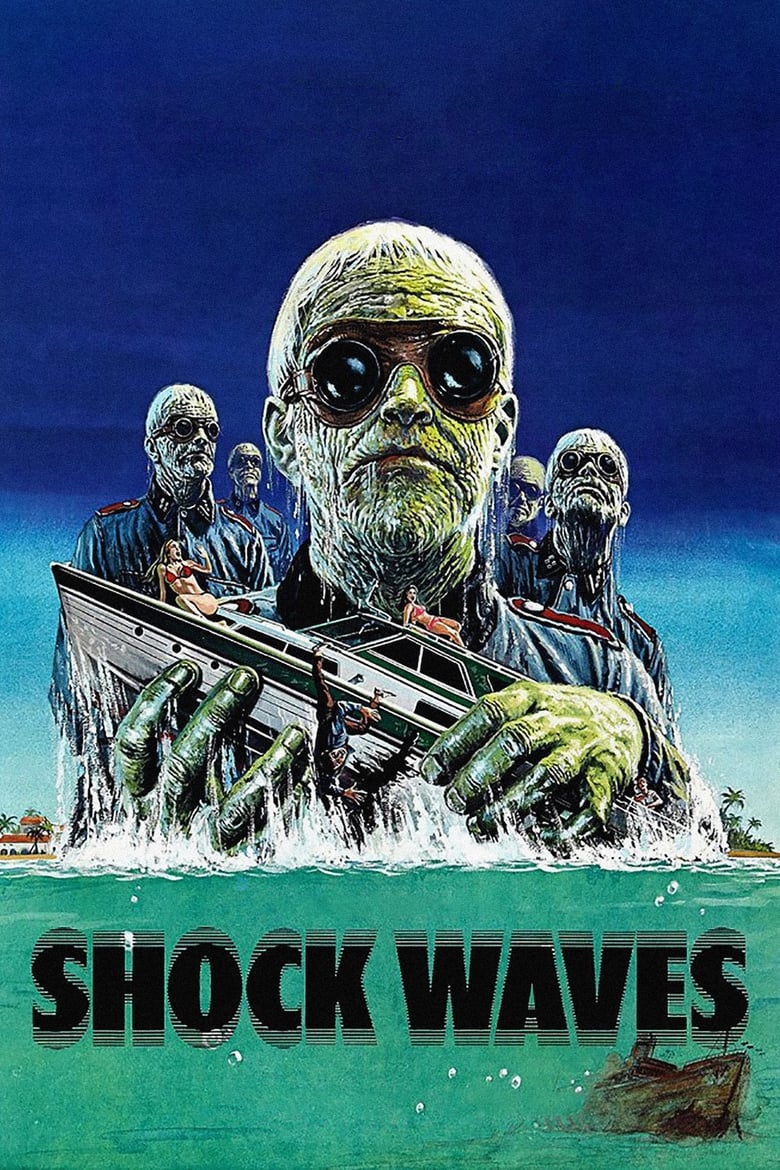
Shock Waves
1977
PGDirector
Ken Wiederhorn
Runtime
85 minutes
Average Rating
No ratings yetSynopsis
Visitors to a remote island discover that a reclusive Nazi commandant has been breeding a group of zombie soldiers.
Where to Watch
Diversity & Representation
Overall Score
Minimal
Category Breakdown
LGBTQ+ Representation
The film lacks LGBTQ+ characters or any exploration of non-heteronormative identities. Interpersonal dynamics focus on survivalist tropes without queer subtext.
Gender Representation
A standard ensemble of male and female characters is utilized. While women are present, the film follows traditional 1970s horror archetypes rather than subverting gender hierarchies.
Racial & Ethnic Diversity
The cast is largely homogeneous, reflecting the demographic norms of 1970s American genre cinema. There is no significant evidence of multicultural blending or diverse identities.
Religious & Cultural Diversity
The narrative treats Nazi experimentation as a source of horror rather than a systemic critique. It does not engage with religion or critiques of Western institutions.
Disability Representation
There are no prominent depictions of visible or invisible disabilities. No characters with neurodivergence or physical conditions are integrated into the narrative arc.
Strengths
- The film provides a focused, visceral exploration of the man vs. monster survivalist framework.
Areas for Improvement
- The narrative lacks diverse character identities and fails to subvert traditional gender or racial hierarchies.
- There is no meaningful representation of disability or LGBTQ+ identities within the story.
- The film misses opportunities to provide systemic critiques of power or cultural institutions.
AI Analysis
Shock Waves functions as a visceral survival horror film that prioritizes genre tropes over social complexity. The narrative focuses on the physical threat of reanimated soldiers, leaving little room for identity-driven subtext or the deconstruction of cultural norms. The film reflects the demographic homogeneity of its era, featuring a largely uniform cast and traditional character roles. It adheres to the cinematic conventions of the late 1970s, reinforcing established hierarchies rather than challenging them. Ultimately, the story is a straightforward exploration of biological terror. It lacks the intentionality required to explore intersectional identities or provide a meaningful critique of Western social structures.
Rate this Movie
Reviews
No reviews yet. Be the first to share your thoughts on this movie!
Use the rating form above to leave a star rating and optional review.