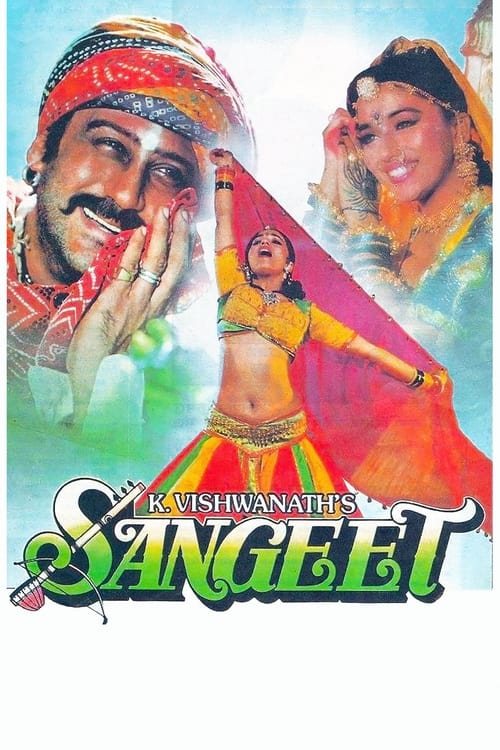
Sangeet
1992
No user ratings available yet
Representation score: 5.7 out of 10
Representation Score
Fair
1992
Director
Hema Malini
Runtime
164 minutes
Average Rating
No ratings yetNew Showbiz Analysis
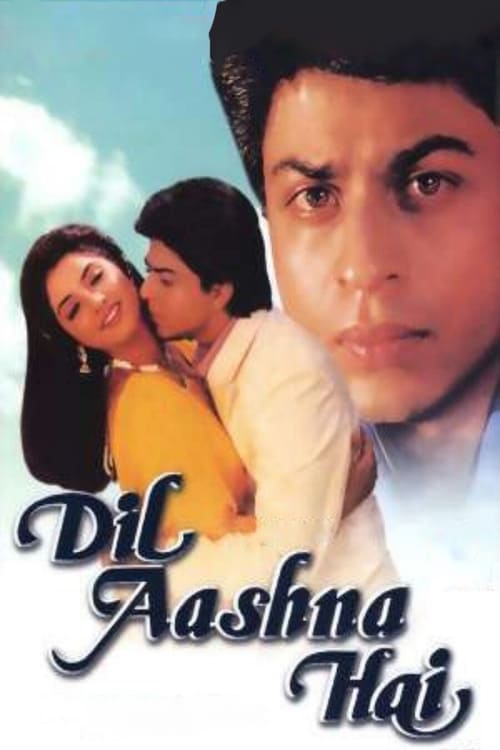
Dil Aashna Hai offers a nuanced look at women's ability to drive the story within a underrepresented social framework. By centering the story on a cabaret dancer’s search for her origins, the film moves beyond simple romantic clichés to explore identity and social standing. While the film succeeds in providing a protagonist with autonomy, it remains limited in its breadth of representation. The narrative adheres to traditional family structures and lacks visible LGBTQ+ or disability-focused storylines. Ultimately, the film serves as a character study of a woman navigating a world defined by her social circumstances, providing a meaningful, if not multi-layered, perspective.
Category Breakdown
The film does not include any explicit references to queer identities or non-straight relationships. The main storyline revolves around a search for biological roots, which emphasizes traditional family structures.
The story centers on a female protagonist who plays a significant role in driving the narrative. Her quest to find her mother challenges traditional stereotypes of female passivity and highlights her intellectual independence.
The film features a predominantly South Asian cast, maintaining a localized cultural identity. There is no indication of cross-cultural blending or diverse ethnic casting.
The story explores systemic exclusion through a protagonist raised in a brothel. This allows for a critique of social institutions and the complexities of outsider identities.
There is no evidence regarding the portrayal of physical or neurodivergent disabilities in this film.
Present on Screen
Limited or Absent
Official Synopsis
A cabaret dancer who was raised in a brothel sets out to find her biological mother.
1992

1989

2004

1990

1972

2005
2001

1978
No reviews yet. Be the first to share your thoughts on this movie!
Use the rating form above to leave a star rating and optional review.