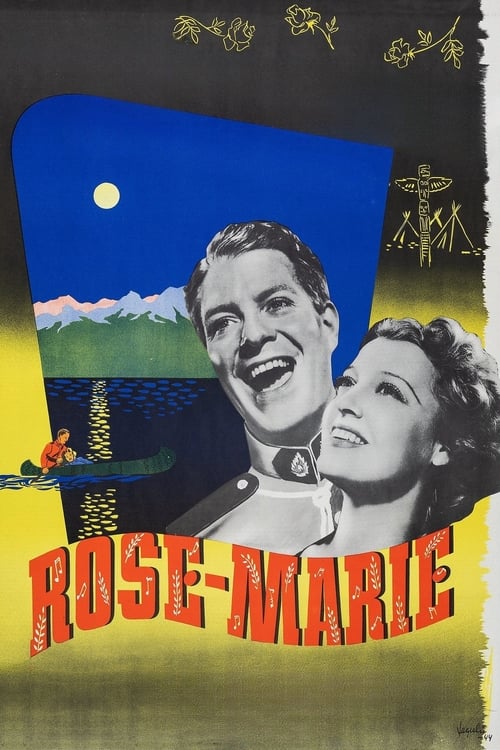
Rose Marie
1936
No user ratings available yet
Diversity score: 2.8 out of 10
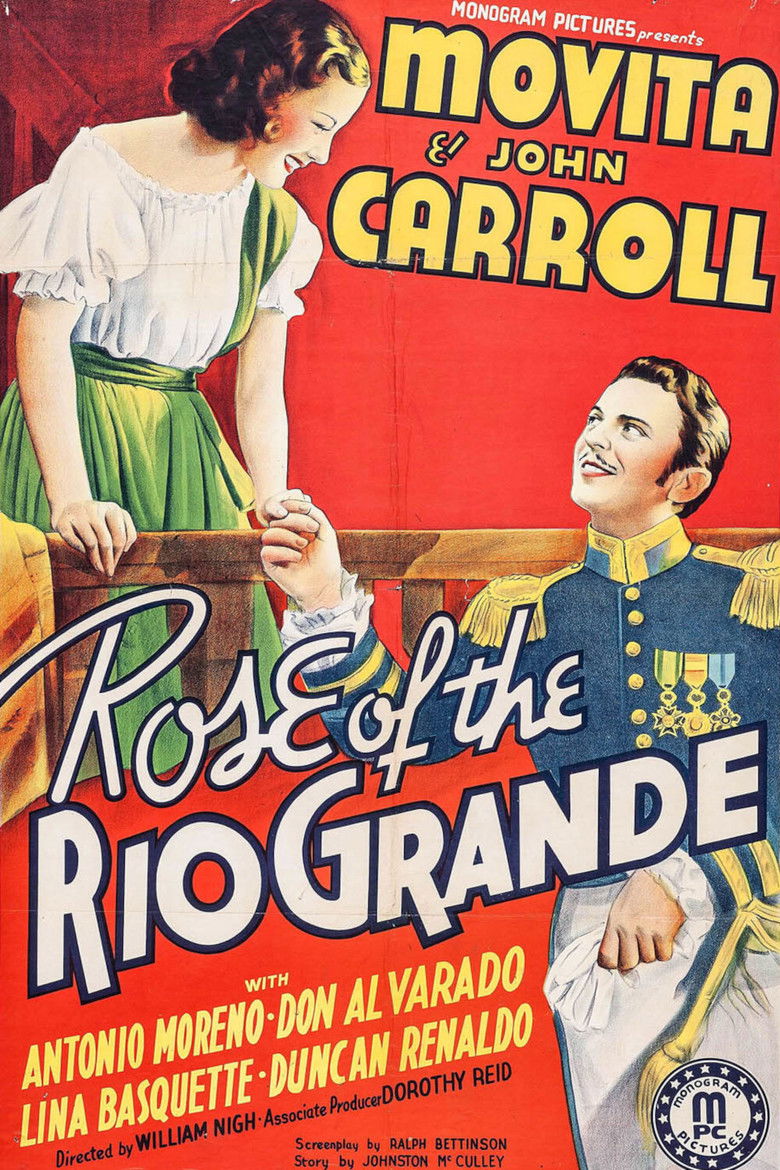
1938
ApprovedDirector
William Nigh
Runtime
61 minutes
Average Rating
No ratings yetSynopsis
The story, based on a novel by Johnston (Zorro) McCulley, concerns a group of aristocratic vigilantes, who go about trying to restore their prominence in Mexico by killing anyone who stands in their way.
Overall Score
Limited
Category Breakdown
LGBTQ+ Representation
The film lacks any evidence of non-cisnormative identities or same-sex intimacy. It adheres to the standard heteronormative romantic conventions typical of 1938 adventure cinema.
Gender Representation
While the title highlights a female figure, leadership and physical agency remain centered on male protagonists. The female lead likely occupies traditional romantic or decorative roles.
Racial & Ethnic Diversity
The Mexican setting is filtered through a Hollywood lens, potentially relying on ethnic archetypes. The narrative focuses on Mexican aristocracy but remains bound by period-specific Western tropes.
Religious & Cultural Diversity
The story reinforces traditional class hierarchies by focusing on the restoration of aristocratic prominence. It glorifies vigilantism rather than offering a critique of systemic power structures.
Disability Representation
There is no indication of characters with visible or invisible disabilities within the narrative or historical record.
Strengths
Areas for Improvement
AI Analysis
Rose of the Rio Grande is a product of the 1930s studio system, prioritizing established genre conventions over social subversion. The plot follows aristocratic vigilantes attempting to reclaim power in Mexico through lethal force. The film relies heavily on traditional Western tropes, which often prioritize Anglo-centric perspectives and reinforce existing social hierarchies. This results in a narrative that favors conservative storytelling patterns. Ultimately, the film functions as a standard adventure melodrama. It lacks the intersectional depth or progressive frameworks required to challenge the status quo of its era.
No reviews yet. Be the first to share your thoughts on this movie!
Use the rating form above to leave a star rating and optional review.