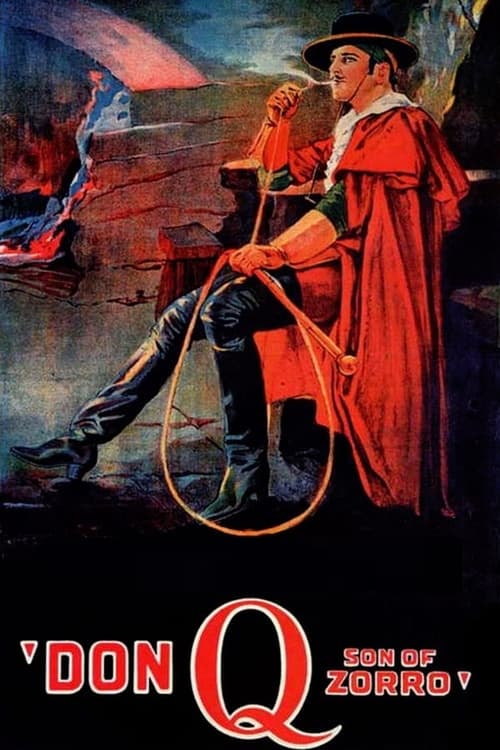
Don Q Son of Zorro
1925
No user ratings available yet
Representation score: 1.5 out of 10

Representation Score
Minimal
1930
PassedDirector
Albert Ray
Runtime
65 minutes
Average Rating
No ratings yetNew Showbiz Analysis
Call of the West is a standard genre piece that adheres strictly to the conventions of early 1930s Westerns. The narrative focuses on a conventional romantic arc between a nightclub entertainer and a rancher, reinforcing traditional social hierarchies rather than challenging them. The film lacks meaningful representation across most categories, relying on homogeneous casting and archetypes that reflect the era's limited approach to racial and cultural diversity. The plot is driven by romantic longing and frontier clichés rather than perspectives that reflect multiple aspects of identity.
Category Breakdown
The story focuses on a traditional heterosexual romance. There is no evidence of LGBTQ+ identities or queer subtext within the plot.
Violet La Tour shows some independence by traveling to New York to make her own romantic choices. However, the film relies on standard clichés of the entertainer and the heroic rancher.
The narrative appears centered on Anglo-Saxon archetypes typical of 1930s Westerns. There is no indication of a diverse cast or non-white characters with significant roles.
The film reinforces traditional Western storytelling and the stability of frontier life. It emphasizes personal loyalty and romantic bonds rather than deconstructing social institutions.
Violet’s collapse serves merely as a plot catalyst. The film lacks any nuanced exploration of physical, sensory, or neurodivergent experiences.
Present on Screen
Limited or Absent
Official Synopsis
Nightclub entertainer Violet La Tour collapses during a performance in Sagebrush, Texas, and is taken to the ranch of Lon Dixon. They fall in love and are married. Feeling deserted when Lon joins a posse in search of rustlers, she returns to New York. There, she is wooed by her agent, Maurice Kane, but confirms her love for Lon when he comes to claim her.
1925
1930
1929
1940
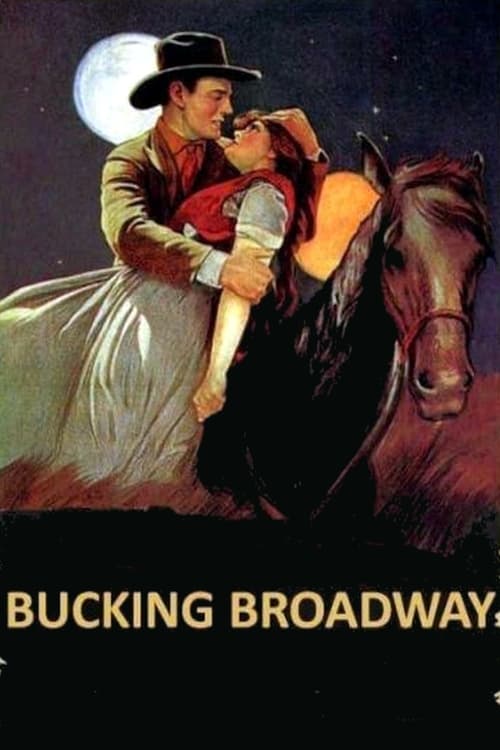
1917
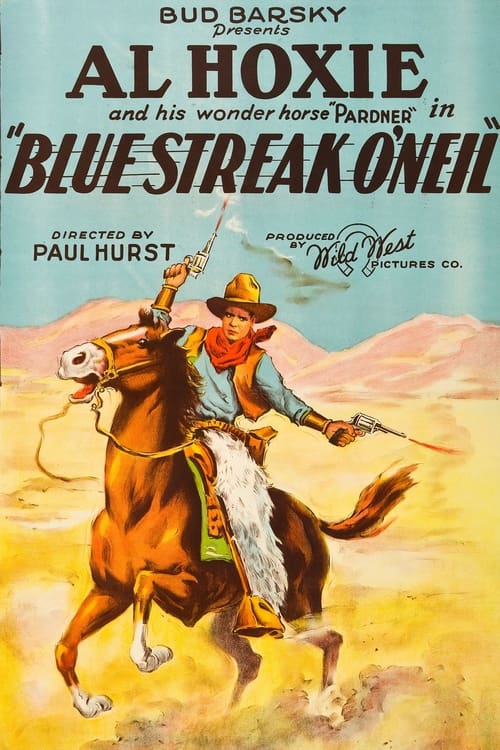
1926
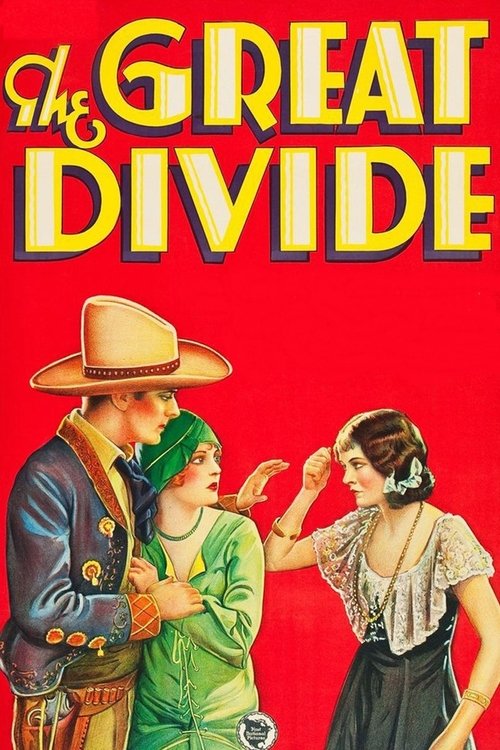
1929
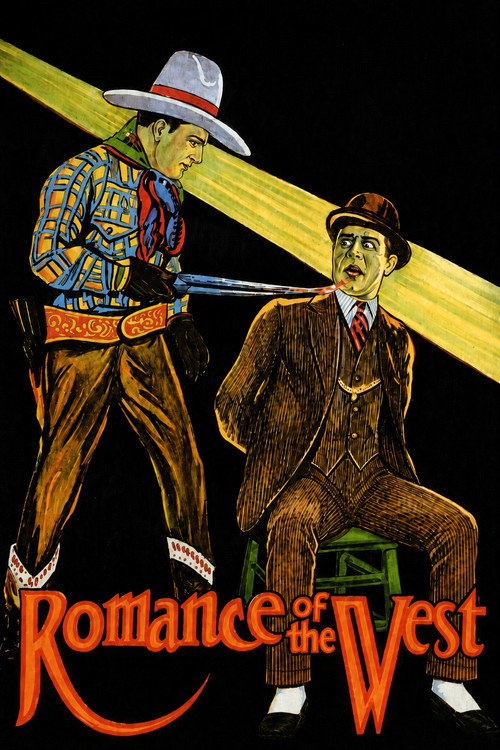
1930
No reviews yet. Be the first to share your thoughts on this movie!
Use the rating form above to leave a star rating and optional review.