
Kaili Blues
2016
No user ratings available yet
Representation score: 6.4 out of 10
Representation Score
Good
2016
Director
Khyentse Norbu
Runtime
95 minutes
Average Rating
No ratings yetNew Showbiz Analysis
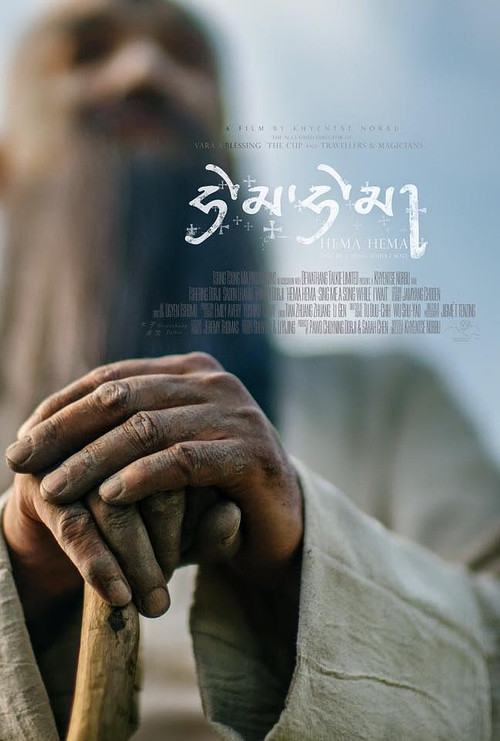
Hema Hema: Sing Me a Song While I Wait is a powerful film that reclaims cultural identity. It shifts the focus away from Western storytelling by emphasizing a Tibetan worldview and spiritual themes. The film's main strength lies in its authentic portrayal of Tibetan culture and philosophy. By using Himalayan identities and non-Western frameworks, it challenges the dominance of Western social and religious norms. While the film excels in cultural immersion, it remains neutral on specific identity politics. It does not delve deeply into gendered power structures or LGBTQ+ narratives.
Category Breakdown
The film doesn't focus on LGBTQ+ identities or non-cisgender expressions. Its contemplative style allows for flexibility in identity, but there is no specific storyline centered around LGBTQ+ themes.
Using a child's viewpoint, the film de-emphasizes traditional gender hierarchies. However, it does not directly challenge the power structures related to gender.
The film highlights Tibetan identity authentically through a non-Anglo-Saxon cast. It avoids casting actors from Western backgrounds to emphasize a narrative rooted in specific cultural contexts.
The story emphasizes Buddhist spirituality over Western secular or Christian perspectives. It centers a remote Tibetan village to challenge Western ideas of progress and individualism.
There are no prominent characters with visible or invisible disabilities in the film.
Present on Screen
Limited or Absent
Official Synopsis
The dazzling new film from Bhutanese lama and filmmaker Khyentse Norbu (The Cup, Travellers and Magicians) chronicles a sacred jungle ritual whose masked, anonymous participants seek after complete self-knowledge — or descend into thievery, violation, and murder.
2016

2016

2020
2021
2022

2007

2000

2016
No reviews yet. Be the first to share your thoughts on this movie!
Use the rating form above to leave a star rating and optional review.