Poor Glenna
2020
No user ratings available yet
Representation score: 3.0 out of 10
Representation Score
Good
2020
Director
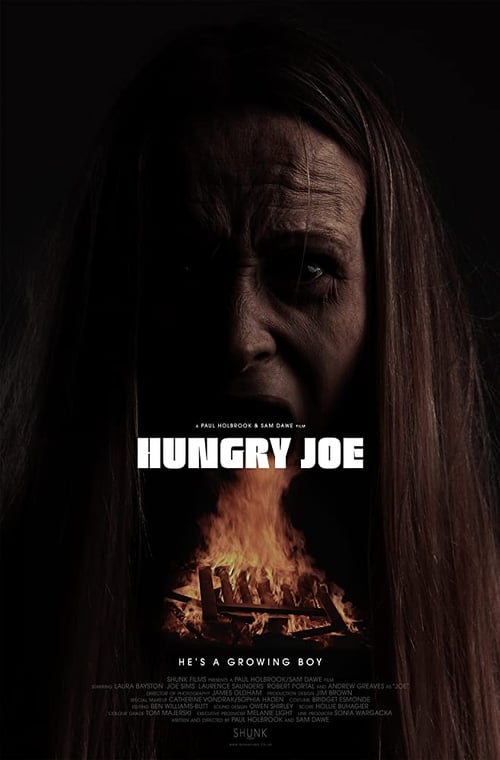
Paul Holbrook, Samuel Dawe
Runtime
23 minutes
Average Rating
No ratings yetNew Showbiz Analysis
Hungry Joe examines the collapse of traditional social and biological structures through the lens of domestic horror. By focusing on a single mother facing an inhumane child, the film shifts away from typical maternal clichés. The narrative successfully challenges the sanctity of the parent-child relationship, replacing warmth with a sense of dread. This subversion of the nuclear family structure creates a unique psychological tension. However, the film lacks detailed information about racial dynamics and LGBTQ+ identities. The ambiguity around the child's condition prevents a deeper understanding of how disability or neurodivergence is portrayed.
Category Breakdown
The film doesn't provide any clear information about the sexual orientation or gender identity of its characters. The focus on a maternal bond leaves LGBTQ+ identities unspecified.
A single mother is the main character dealing with a dangerous situation at home. This portrayal challenges traditional views of motherhood by showing it as a struggle for survival rather than a nurturing role.
There isn't enough information to fully analyze racial dynamics. While the cast is diverse, the specific cultural context remains undefined.
The story questions the sanctity of the nuclear family by depicting the child as an inhumane entity. This challenges traditional Western ideas about family and hope.
The child's excessive eating is presented as a biological or psychological issue. It's unclear if this unusual behavior is meant to represent neurodivergence or serve as a horror element.
Present on Screen
Limited or Absent
Official Synopsis
A single mother struggles to bond with her apathetic child; born with an insatiable and increasingly inhumane appetite.
2020
2007

2021
2017
2001

2024
2018

2022
No reviews yet. Be the first to share your thoughts on this movie!
Use the rating form above to leave a star rating and optional review.