
Tail Sting
2001
No user ratings available yet
Representation score: 3.4 out of 10
Representation Score
Limited
1988
RDirector
Nico Mastorakis
Runtime
96 minutes
Average Rating
No ratings yetNew Showbiz Analysis
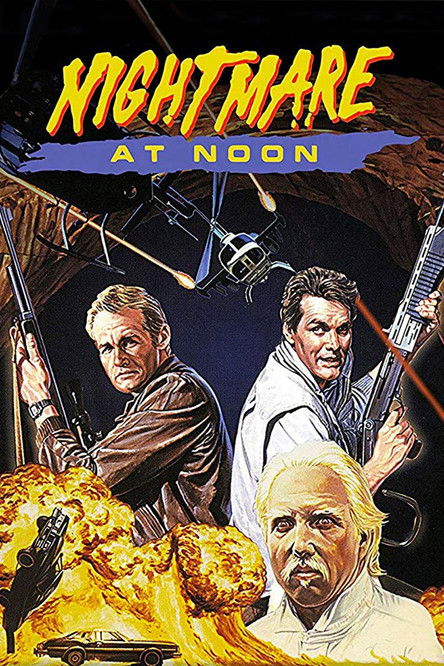
Nightmare at Noon is a classic 1980s exploitation horror film that emphasizes visceral thrills over social commentary. The story revolves around a biological crisis that leads to widespread violence. Since the film centers on a survivalist premise, it doesn't aim to challenge social hierarchies or explore identity politics. Representation is guided by the era's conventional cinematic standards, favoring homogeneous casting and traditional gender roles. Ultimately, the film operates as a straightforward genre piece. It uses character transformations to build tension rather than delve into neurodivergence or broader cultural issues.
Category Breakdown
The film doesn't include any LGBTQ+ characters or stories that challenge the idea that everyone is straight. It follows typical 1980s horror movie conventions without featuring LGBTQ+ representation.
Male characters seem to have more influence in driving the story, following traditional horror movie roles. Female characters may play supporting or victim roles within the established cinematic structure.
The town setting doesn't show evidence of diverse casting or roles that go beyond traditional expectations. The film seems to use the uniform demographics common to this type of movie from that time period.
The story focuses on a biological disaster rather than criticizing religion or Western institutions. Social breakdown is presented as a survival thriller without deeper ideological analysis.
The film uses altered mental states to create scary characters, using the loss of control as a plot device instead of a detailed look at disabilities.
Present on Screen
Limited or Absent
Official Synopsis
Scientists poison the water supply of a small town, turning the residents into homicidal maniacs who kill each other and anybody who passes through.
2001
1975

2005
1998

1984
2008

2008
1988
No reviews yet. Be the first to share your thoughts on this movie!
Use the rating form above to leave a star rating and optional review.