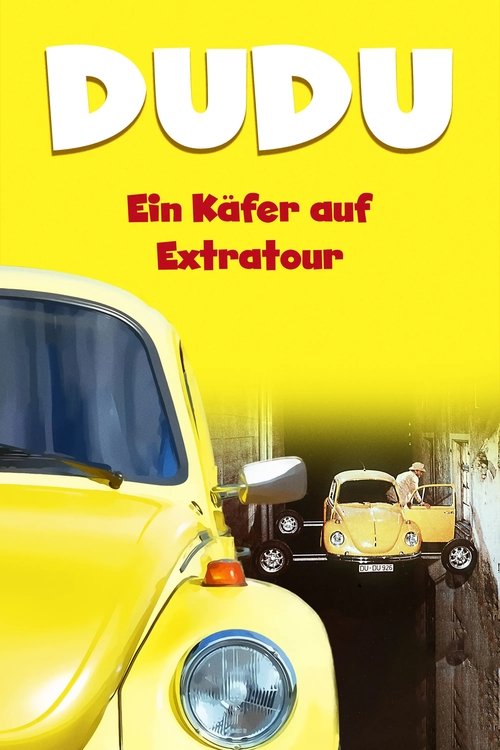
Superbug, the Wild One
1973
No user ratings available yet
Representation score: 2.3 out of 10
Representation Score
Limited
1972
GDirector
Rudolf Zehetgruber
Runtime
91 minutes
Average Rating
No ratings yetNew Showbiz Analysis
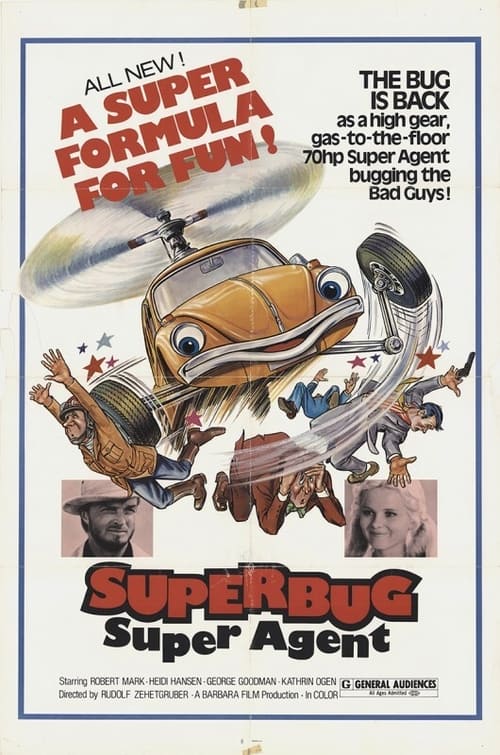
Superbug, Super Agent is a conventional 1972 action-comedy that adheres to the cinematic norms of its era. The film relies on established genre clichés rather than challenging social hierarchies or introducing diverse perspectives. The narrative structure is Eurocentric, focusing on a traditional adventure framework set in Portugal. The character dynamics seem to follow standard gender and social hierarchies common to commercial European cinema of the time. Ultimately, the film serves as a standard genre piece. It lacks intentional efforts to represent diverse identities, reflecting the homogeneous demographic landscape of the early 1970s.
Category Breakdown
The film focuses on traditional romance and adventure themes. There are no characters or narratives that explore non-traditional gender identities or challenge the assumption that everyone is straight.
The story follows a typical adventure format centered around a male protagonist. Tamara is described as attractive, but her role in driving the story is unclear.
The setting and character names suggest a predominantly white cast. The film reflects the homogeneous demographics typical of 1970s European productions.
The plot uses classic Western adventure clichés involving conflicts and henchmen. It does not critically examine Western social or capitalist systems.
The narrative does not include any characters with visible or invisible disabilities.
Present on Screen
Limited or Absent
Official Synopsis
Jimmy Bondi and his miracle beetle Dudu are on their way to Portugal by sea. In the Algarve, they are witness to a dispute in which ex-inmate Plato and the attractive Tamara have to do with Marchese de la Sotta and his henchmen.
1973
1968
1975

1997
1966
1978

1977
1980
No reviews yet. Be the first to share your thoughts on this movie!
Use the rating form above to leave a star rating and optional review.