Das Lächeln der Gioconda
1953
No user ratings available yet
Diversity score: 2.6 out of 10
No Poster Available
1969
Director
Jack Webb
Runtime
100 minutes
Average Rating
No ratings yetSynopsis
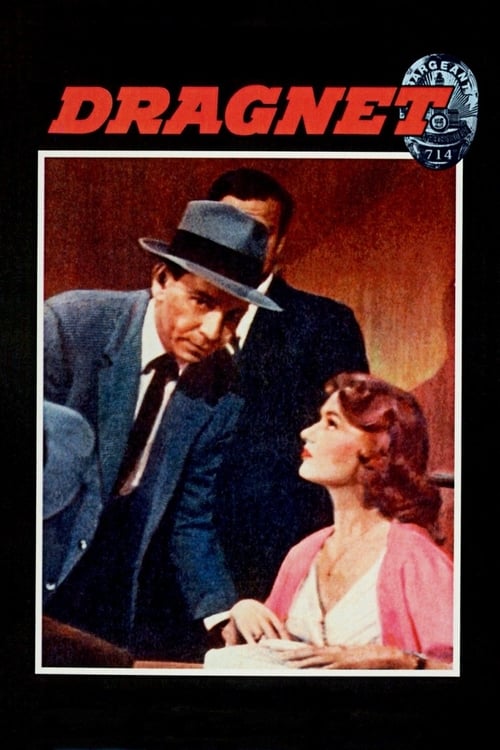
Also known as "Dragnet 1966," this TV movie was originally the pilot for the 1967 relaunch of the original 1950s "Dragnet" radio show and TV show (which also had its own movie in 1954, from the same creative team). However, the pilot wasn't actually aired until 1969. In this feature-length entry, Sgt. Joe Friday is called back from vacation to work with his partner, Officer Bill Gannon, on a missing persons case. Two amateur female models and a young war widow have vanished, having been last seen with one J. Johnson. In the course of tracking down Johnson and the young ladies, the detectives wind up with two different descriptions of the suspect, one of which closely resembles a dead body found in a vacant lot. But the dead man, later identified as Charles LeBorg of France, proves not to be J. Johnson, when a third young model disappears.
Overall Score
Minimal
Category Breakdown
LGBTQ+ Representation
The film operates within a strictly heteronormative framework. There is no discernible presence of non-cisnormative identities or same-sex intimacy.
Gender Representation
The narrative is heavily male-centric, prioritizing the professional agency of the detectives. Female characters primarily function as plot catalysts, such as victims or witnesses, rather than autonomous drivers.
Racial & Ethnic Diversity
The cast is predominantly white and homogeneous. While set in Los Angeles, the film lacks characters of color in roles of high agency or intersectional depth.
Religious & Cultural Diversity
The film reinforces institutional legitimacy and the rule of law. It maintains a clear, binary distinction between lawful protagonists and lawless antagonists without moral relativism.
Disability Representation
There are no prominent depictions of visible or invisible disabilities. Characters with physical or neurodivergent traits are not utilized as central figures.
Strengths
Areas for Improvement
AI Analysis
Jack Webb’s procedural approach prioritizes the stability of traditional institutions and law enforcement methodology. The film functions as a reinforcement of mid-century social norms rather than a subversion of them. Agency is concentrated almost exclusively in male figures, while women and people of color occupy peripheral or reactive roles. This creates a narrative architecture that validates existing social hierarchies. The work lacks any significant representation of LGBTQ+ identities or disabilities, focusing instead on a rigid, conventional view of social order and institutional authority.
1953

2020

2020
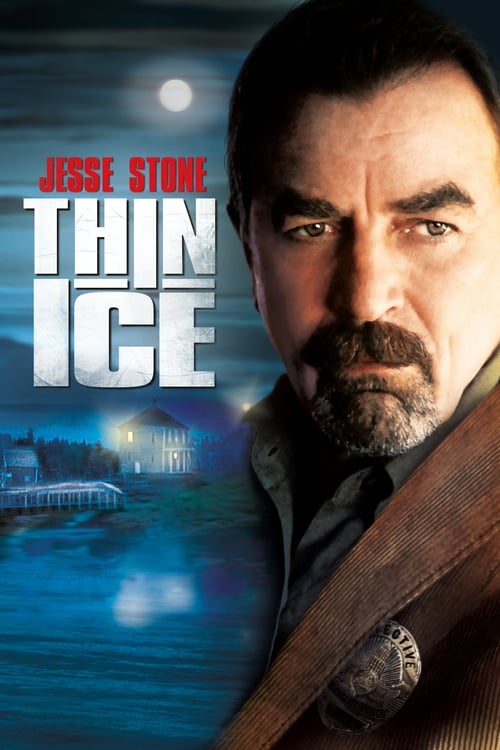
2009
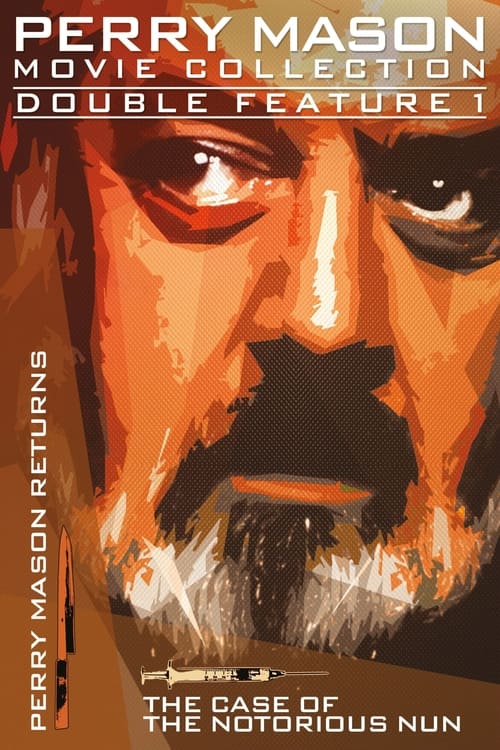
1986

1996

1995
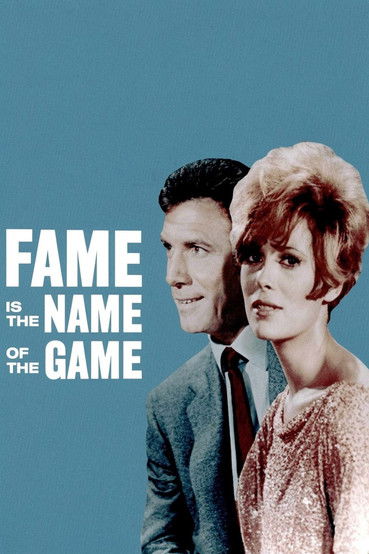
1966

1990
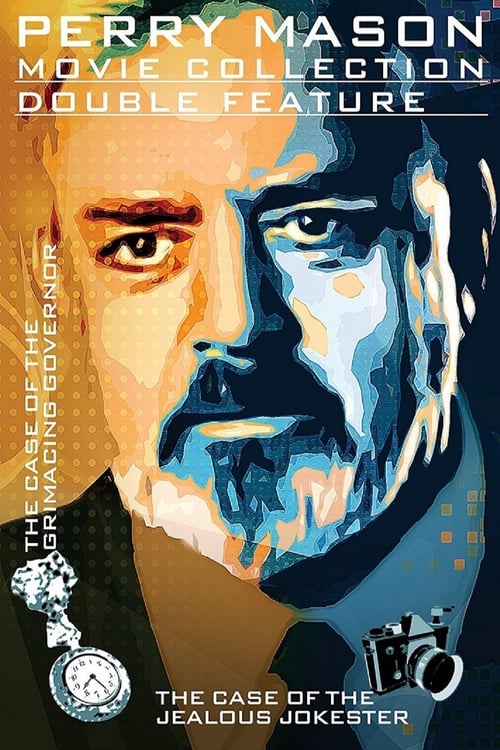
1994
1996
1954
No reviews yet. Be the first to share your thoughts on this movie!
Use the rating form above to leave a star rating and optional review.