Dark Dark Woods
2017
No user ratings available yet
Representation score: 3.2 out of 10
Representation Score
Limited
2008
UDirector
Liam Brazier, Karen Penman
Runtime
3 minutes
Average Rating
No ratings yetNew Showbiz Analysis
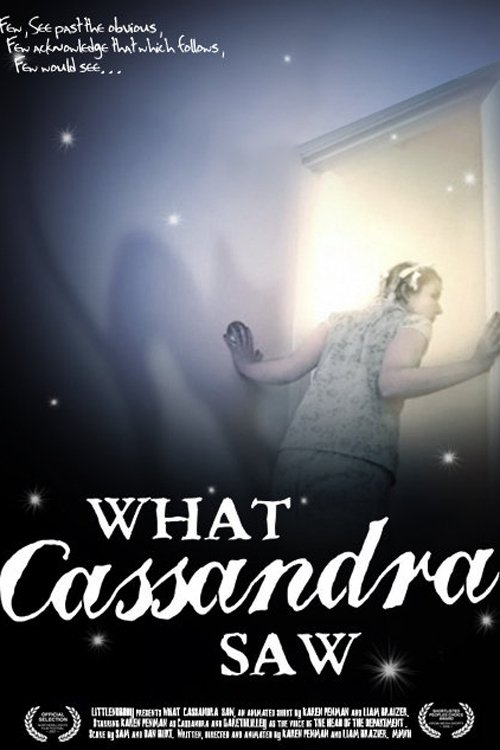
What Cassandra Saw operates as a post-modern fairy tale that delves into systemic mystery rather than conventional moral lessons. By focusing on Cassandra, the film presents a unique case where a female lead drives the discovery of hidden institutional realities. While the film shows promise in challenging traditional folklore through its bureaucratic concept, it lacks specific data on racial, ethnic, or LGBTQ+ representation. Its strength lies in its potential to subvert cultural norms through its unique premise. Ultimately, the film offers a protagonist-driven exploration of hidden institutional mechanisms, though it remains somewhat limited due to the absence of verifiable diverse character identities.
Category Breakdown
The film does not include explicit depictions of LGBTQ+ characters or identities that don't follow traditional heterosexual norms. There are no specific character arcs related to LGBTQ+ themes.
Cassandra is a proactive female protagonist who uncovers a hidden bureaucracy. This role breaks away from traditional fairy tale clichés of passive female characters.
The fantasy setting and lack of detailed character descriptions make it hard to assess racial or ethnic diversity. No specific identities are mentioned.
The modern framing suggests a critique of unseen institutions and bureaucratic control. This approach focuses on questioning established structures rather than traditional moral teachings.
There are no characters with physical, neurodivergent, or sensory disabilities. The narrative centers on the Bureau of Shadows without addressing disabilities.
Present on Screen
Limited or Absent
Official Synopsis
Cassandra discovers by accident the Bureau of Shadows, responsible for making, measuring and resizing our shadows while we are asleep, in this post-modern fairy tale.
2017
2011

2014
1989
2003

2018
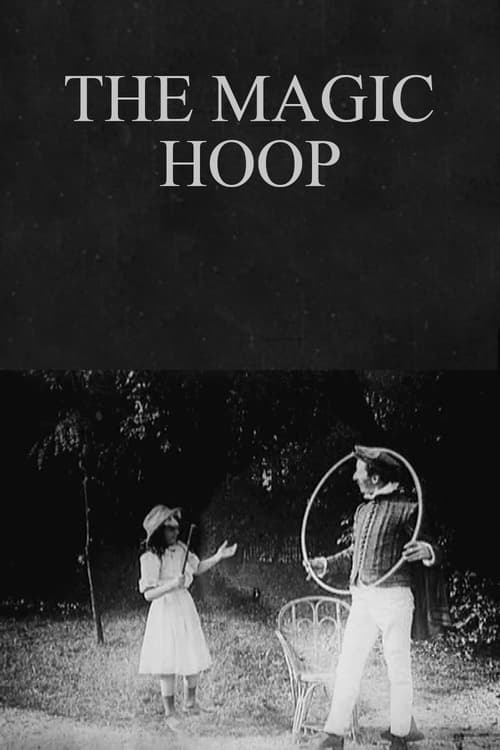
1908

2011
No reviews yet. Be the first to share your thoughts on this movie!
Use the rating form above to leave a star rating and optional review.