Red Dog
2016
No user ratings available yet
Representation score: 1.3 out of 10
Representation Score
Limited
2021
Director
Renat Davletyarov
Runtime
105 minutes
Average Rating
No ratings yetNew Showbiz Analysis
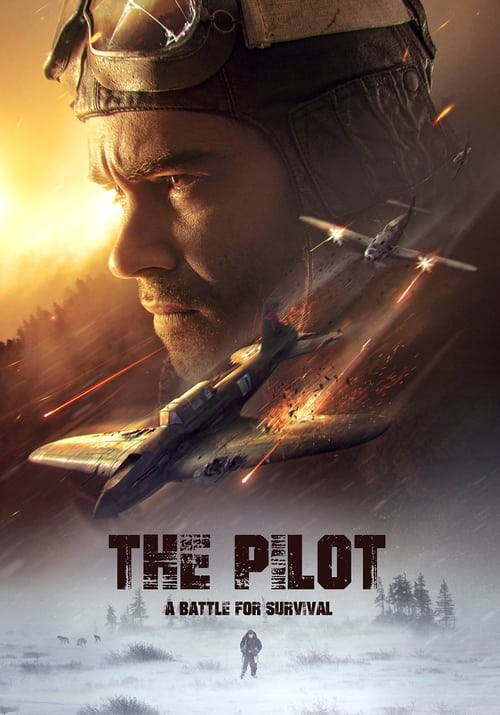
The film presents a conventional historical war drama, emphasizing traditional themes of endurance and patriotism. The narrative centers on a single male hero, limiting the scope of social representation. By focusing on the survival of a specific soldier during the defense of Moscow, the film adheres to established genre clichés. It highlights nationalistic resilience and physical toughness over exploring diverse identities or challenging social norms. Ultimately, the work reconstructs history in a traditionalist manner. It upholds mid-century archetypes rather than engaging with modern, diverse perspectives on gender, race, or identity.
Category Breakdown
The film focuses on a single male protagonist's journey without showing any non-straight relationships or identities. It follows traditional assumptions about everyone being straight or cisgender.
The story revolves around Nikolai Komlev and his personal role in combat. It emphasizes the classic idea of a male soldier as the main historical figure.
The cast likely mirrors the demographics of the 1941 Soviet Northwestern Front. There is no indication of actors playing roles outside their traditional racial backgrounds.
The themes highlight traditional values such as patriotism and the importance of the nation. The narrative focuses on individual strength within a patriotic context, rather than questioning institutional values.
The protagonist faces severe physical injuries and mental challenges. These hardships emphasize traditional heroism rather than exploring conditions like neurodivergence or long-term disability.
Present on Screen
Limited or Absent
Official Synopsis
December of 1941, Northwestern Front. A German tank column is moving towards Moscow. During a mission to stop the enemy advance, Nikolai Komlev's IL-2 is shot down. Komlev manages to crash-land his plane in a remote forest clearing. He's alive, but far from friendly territory. Ahead of him is a relentless trial of severe physical and mental endurance. After battling hunger and extreme cold, evading packs of wolves and detachments of Nazi soldiers, the wounded Komlev finally makes it back to safety. But there he faces another challenge, the most life-changing of them all.
2016

2014
2014
1977

1965
1961
2023
2016
No reviews yet. Be the first to share your thoughts on this movie!
Use the rating form above to leave a star rating and optional review.