
Doraemon: Nobita and the Windmasters
2003
No user ratings available yet
Representation score: 1.8 out of 10
Representation Score
Fair
2000
Director
Kazuki Ōmori, Toshiya Shinohara
Runtime
97 minutes
Average Rating
No ratings yetNew Showbiz Analysis
The film uses fantasy archetypes to explore the tension between imperial authority and cultural autonomy. It avoids harmful stereotypes by presenting distinct cultural groups like the People of the Sea. However, the narrative largely adheres to traditional hero-centric structures and elemental power dynamics. It focuses on conventional power dynamics rather than challenging social hierarchies.
Category Breakdown
The story centers on the companionship between Amon and Maria. There is no explicit evidence of queer identities or non-traditional gender roles.
Maria avoids the damsel-in-distress cliché by being a co-protagonist in the resistance. However, the narrative remains focused on Amon's elemental powers and traditional hero structure.
Fantasy world-building includes the People of the Sea and the Empire of the Golden Snake to represent distinct ethnic identities. This framework explores themes of sovereignty and heritage.
The film critiques imperialist expansionism through the conflict between a centralized empire and nature-aligned protagonists. It explores the tension between institutional conquest and communal autonomy.
There is no information about the portrayal of physical or neurodivergent disabilities.
Present on Screen
Limited or Absent
Official Synopsis
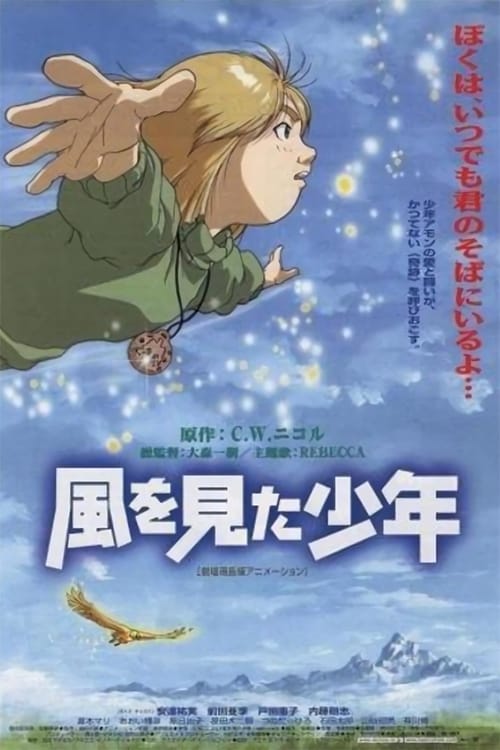
Amon is a boy who can control the wind. Branik, ruler of the Empire of the Golden Snake, wants Amon's power to complete the ultimate weapon and sends his troops to capture the boy. Amon, using his talents, manages to runs away with Maria, one of the People of the Sea. Together, they try to stop the Empire of the Golden Snake from destroying and conquering everything.
2003

2001

2004

2005

2003

2003

2005

1998
No reviews yet. Be the first to share your thoughts on this movie!
Use the rating form above to leave a star rating and optional review.