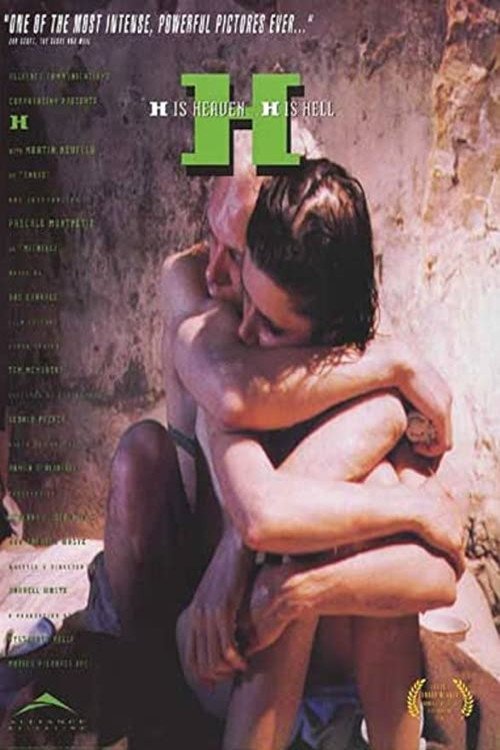
H
1990
No user ratings available yet
Representation score: 3.2 out of 10
No Poster Available
Representation Score
Fair
2000
Director
Jonas Åkerlund
Runtime
15 minutes
Average Rating
No ratings yetNew Showbiz Analysis
Try is a gritty, localized character study that prioritizes raw realism over moralistic storytelling. It disrupts traditional institutional narratives by presenting social dysfunction without a restorative arc. However, the film lacks significant depth in representing diverse identities. Its portrayal of race, gender, and sexual orientation remains conventional, aligning with the demographic norms of its Swedish setting. Ultimately, the film serves primarily as an examination of youth chaos and addiction rather than a platform for diverse identity representation.
Category Breakdown
The film centers on a romantic relationship within a drug-addicted community but does not include characters with non-binary gender identities or challenge the assumption that everyone is straight or cisgender.
The movie emphasizes male-dominated peer groups and traditional gender roles among adolescents. It presents a typical portrayal of social pressures faced by young men without challenging the usual power dynamics between genders.
Set in a Swedish suburb, the film accurately reflects the demographics of its location. It does not address issues related to historical colonization or feature a predominantly non-white cast.
The film questions traditional Christian morality by depicting rebellion and addiction through a lens of moral relativism. It prioritizes personal experiences over institutional stability or traditional religious storylines.
While substance abuse is a key theme, the film focuses on the immediate effects of drug use. It does not delve deeply into neurological differences or advocate for systemic support for disabilities.
Present on Screen
Limited or Absent
Official Synopsis
Short movie about a young, drug addicted couple.
1990

2019
1996

2012
2014
1981

2006

2015
No reviews yet. Be the first to share your thoughts on this movie!
Use the rating form above to leave a star rating and optional review.