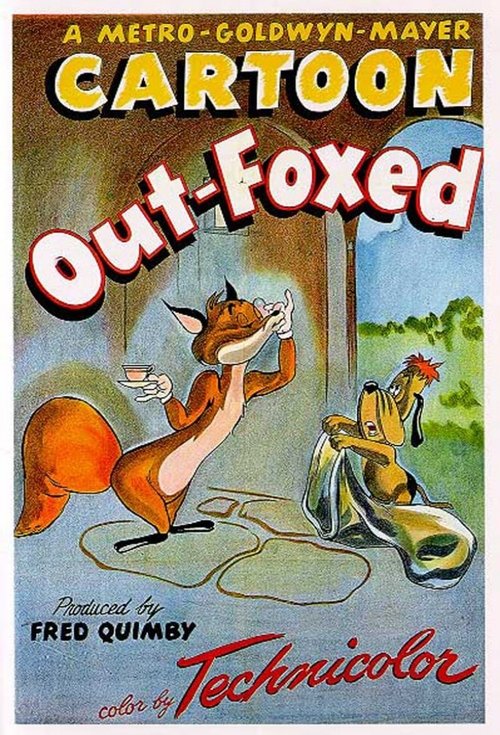
Out-Foxed
1949
No user ratings available yet
Representation score: 1.0 out of 10
No Poster Available
Representation Score
Minimal
1951
ApprovedDirector
Izzy Sparber
Runtime
7 minutes
Average Rating
No ratings yetNew Showbiz Analysis
The film primarily serves as a critique of institutional competence and rigid social structures. It lacks explicit representation across most demographic categories, focusing instead on the subversion of the hunter archetype. By prioritizing individual connections over collective academy goals, the story disrupts conventional predatory hierarchies. This suggests that institutional truths can be flawed and that real power comes from unconventional alliances. While the lack of human-centric demographic data limits the score, the narrative's deconstruction of traditional roles provides a moderate level of progressive value.
Category Breakdown
The film does not include any representation of non-straight relationships or same-sex intimacy. The story focuses on interactions between different species.
The characters are anthropomorphic animals without clear gender markers. The narrative subtly challenges hierarchies of competence through Herbert's journey as an underdog.
The animal characters do not have explicit racial or ethnic identifiers. The story does not address the subversion of casting norms.
The film critiques rigid institutional authority through the Foxhound Academy. Herbert's tea with the fox promotes social cooperation over predatory teachings.
There is no evidence of neurodivergence or physical disabilities portrayed with real depth. The narrative does not address these themes.
Present on Screen
Limited or Absent
Official Synopsis
Herbert, a hound who has never seen a fox, joins the Foxhound Academy to get his foxhound credentials. The instructors describes a fox, and tells Herbert to remain at the back of the pack during the hunt and blow a bugle if he sees a fox. The lead dogs pass by a fox but not Herbert, but the fox takes Herbert over to a sleeping bear and identifies the bear as a fox. Herbert blows his bugle, but the hunt resume, without Herbert, when the dogs see the bear. The fox returns and, at Herbert's invitation, joins him for a spot of tea.
1949
1948
1931
1939
1952
1949
1958
1954
No reviews yet. Be the first to share your thoughts on this movie!
Use the rating form above to leave a star rating and optional review.