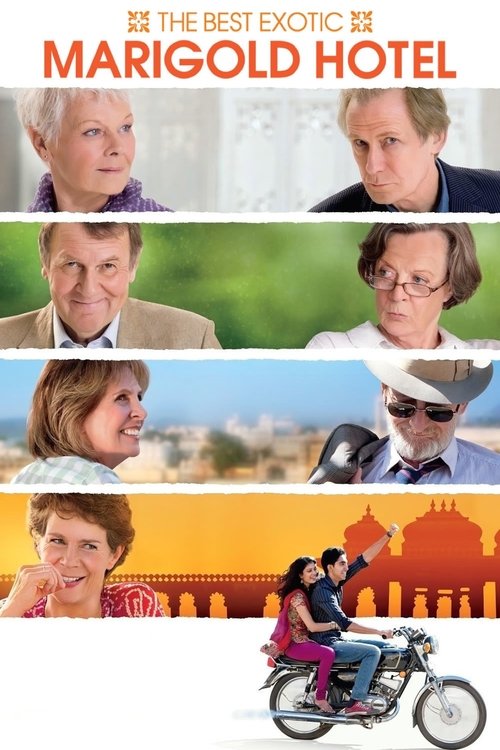
The Best Exotic Marigold Hotel
2012
No user ratings available yet
Representation score: 7.0 out of 10
Representation Score
Fair
2014
PGDirector
Lasse Hallström
Runtime
122 minutes
Average Rating
No ratings yetNew Showbiz Analysis
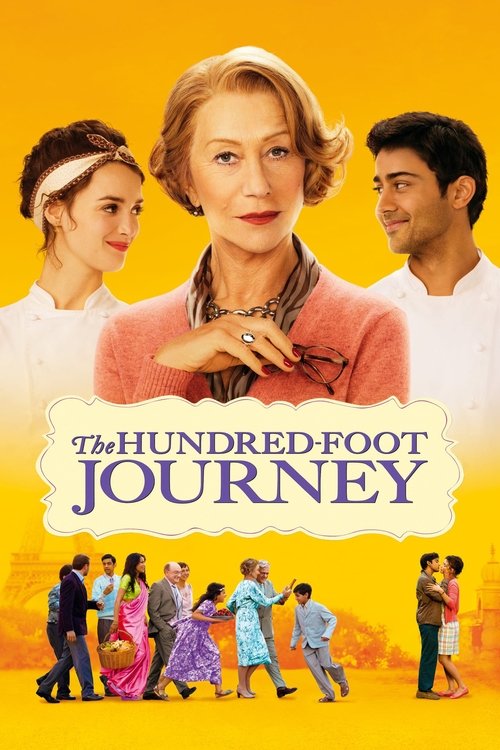
The film effectively showcases the immigrant experience by highlighting ability to act rather than passive assimilation. By focusing on an Indian family in a culinary rivalry, it challenges monocultural narratives and celebrates cultural fusion. While the film offers strong representation of ethnic diversity and empowered women, it adheres to traditional social structures. The absence of LGBTQ+ characters and the reliance on conventional norms limits its progressive impact. Ultimately, the film demonstrates how diverse identities can enrich established institutions, presenting integration as an evolution of excellence.
Category Breakdown
The film does not include any LGBTQ+ characters or non-traditional gender identities.
Women are shown as key figures in driving excellence and maintaining institutional stability. Madame Mallory is portrayed as a powerful leader with significant influence.
The story centers around an Indian family as the main characters within a primarily European setting. The Kadam family uses their cultural background to enhance the French culinary scene.
The narrative explores post-colonial themes through cultural exchange, promoting a pluralistic perspective where Western institutions grow through multicultural influences.
The film does not prominently feature characters with visible or invisible disabilities.
Present on Screen
Limited or Absent
Official Synopsis
A story centered around an Indian family who moves to France and opens a restaurant across the street from a Michelin-starred French restaurant.
2012
1999

2002
2009

2021

2007
2015

2008
No reviews yet. Be the first to share your thoughts on this movie!
Use the rating form above to leave a star rating and optional review.