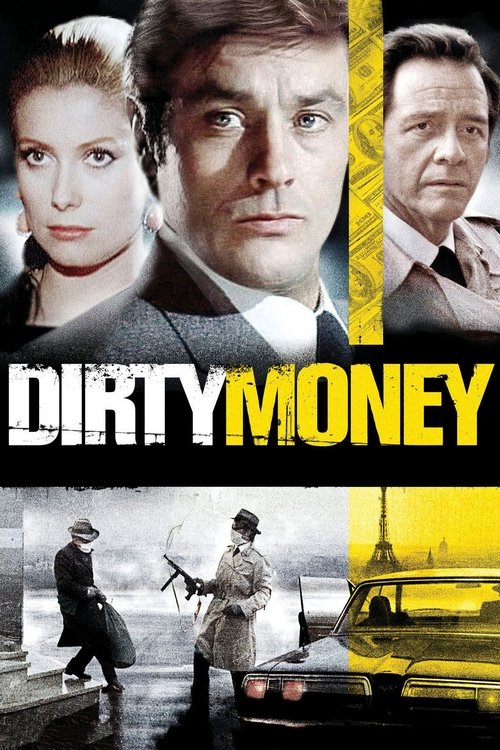
A Cop
1972
No user ratings available yet
Diversity score: 3.2 out of 10

1963
Director
Jean-Pierre Melville
Runtime
102 minutes
Average Rating
No ratings yetSynopsis
Young boxer Michel Maudet is sacked by his manager after a series of match defeats and is forced to look for a new job. He is engaged as secretary to a millionaire named Ferchaux who is in a hurry to flee the country when he discovers he has been implicated in a high-profile fraud.
Overall Score
Limited
Category Breakdown
LGBTQ+ Representation
The film adheres to standard heteronormative social frameworks of the era. The narrative focuses on the transactional relationship between Maudet and Ferchaux without exploring non-cisnormative identities.
Gender Representation
The story operates within a traditional masculine framework centered on boxing and criminal enterprise. Agency is concentrated in male protagonists, with women appearing only as peripheral figures.
Racial & Ethnic Diversity
The cast reflects the homogeneous Western European social landscape of 1960s French cinema. There is no evidence of diverse ethnic representation or race-bent casting.
Religious & Cultural Diversity
The film explores moral ambiguity through the lens of individual survival. It focuses on the personal consequences of fraud rather than a systemic critique of Western institutions.
Disability Representation
Characters with visible or invisible disabilities are not central to the plot. Neither neurodivergence nor physical disability is used as a narrative tool or plot device.
Strengths
Areas for Improvement
AI Analysis
Jean-Pierre Melville’s crime drama focuses on the intersection of class mobility and criminal desperation. The narrative prioritizes the mechanics of a high-stakes fraud plot and individual survival over the exploration of identity politics. The film functions as a character study of displacement, utilizing traditional genre tropes. It emphasizes circumstantial luck and personal agency rather than the disruption of systemic power dynamics or social hierarchies. Ultimately, the work remains a product of its era, maintaining conventional demographic and cultural frameworks without intentional subversion of social norms.
1972
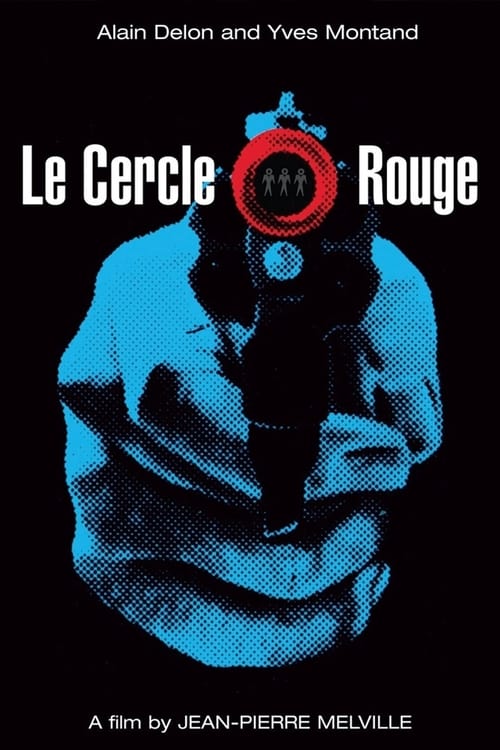
1970
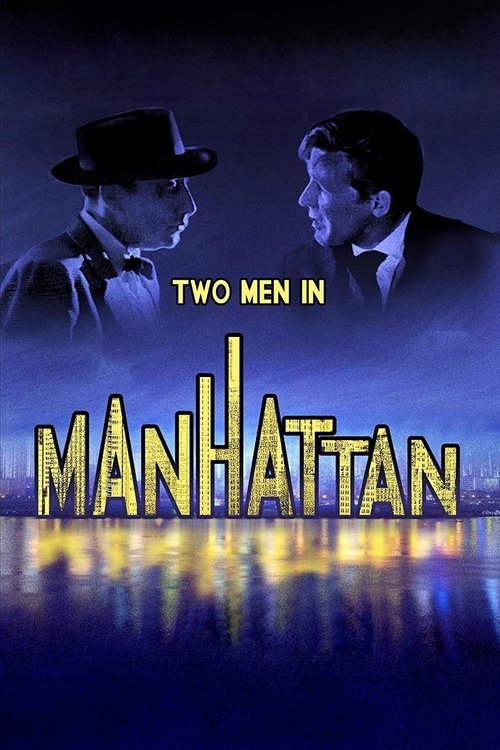
1959

1966

1956
No reviews yet. Be the first to share your thoughts on this movie!
Use the rating form above to leave a star rating and optional review.