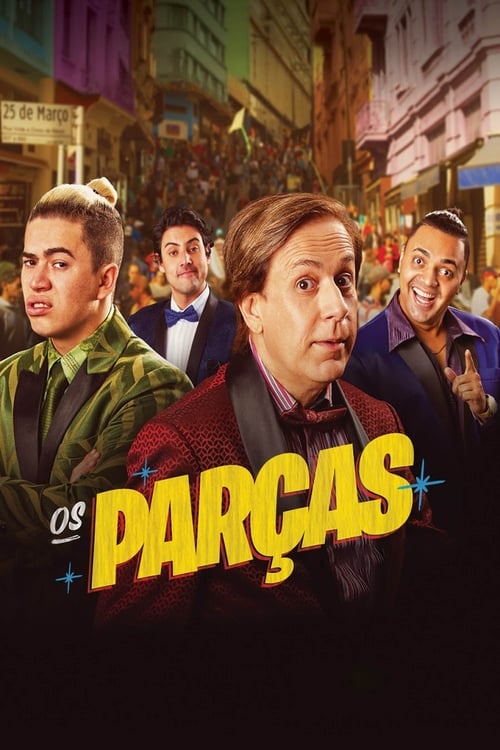
Os Parças
2017
No user ratings available yet
Representation score: 3.2 out of 10
Representation Score
Good
2016
Director
Halder Gomes
Runtime
101 minutes
Average Rating
No ratings yetNew Showbiz Analysis
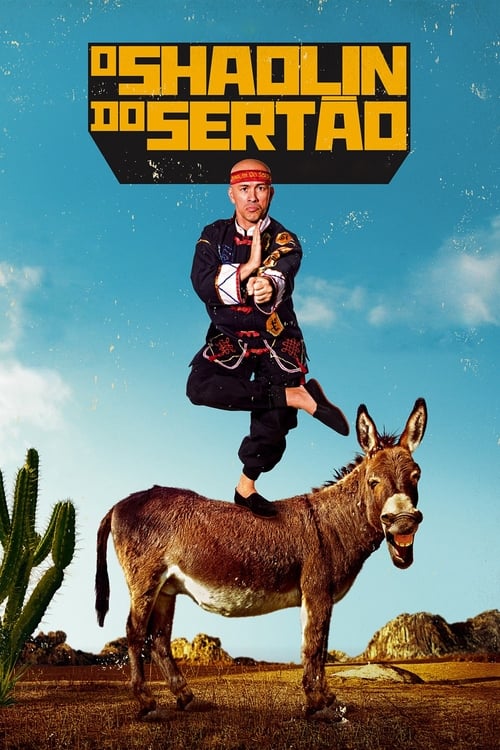
Halder Gomes creates a unique 'Nordestern' that disrupts traditional regional storytelling by blending Chinese martial arts with the Brazilian Sertão. This stylistic fusion challenges the dominance of Western-centric action narratives through a sophisticated cultural mashup. While the film excels in racial and cultural diversity by deconstructing singular identities, it lacks depth in other areas. It does not actively pursue contemporary identity politics, leaving LGBTQ+ and disability representation largely unaddressed. Ultimately, the work is a significant piece of regional postmodernism. It succeeds in challenging traditional storytelling structures through its aesthetic synthesis, even if it remains tied to conventional gendered clichés.
Category Breakdown
The story focuses on the protagonist's internal identity and his fascination with martial arts mythology. It does not include explicit LGBTQ+ character arcs or critiques of the assumption that everyone is straight or cisgender, sticking to traditional genre archetypes.
The film relies on masculine archetypes of honor and physical combat common in Western and martial arts cinema. It adheres to conventional gendered expectations rather than subverting traditional hierarchies.
The film blends East Asian aesthetics with the Brazilian backlands, creating a cultural mashup that deconstructs singular identities. The cast reflects Ceará's regional demographics, challenging Hollywood-centric heroism.
By prioritizing genre fusion, the film critiques cultural boundaries through a postmodern lens. The Sertão setting highlights the lack of systemic support in rural regions.
There is no significant portrayal of characters with physical or neurodivergent disabilities. The protagonist's struggle is social eccentricity and mockery rather than a clinical condition.
Present on Screen
Limited or Absent
Official Synopsis
Aluízio Li is a martial arts fan who lives with his head in the world of fights from dreaming and watching Chinese films. He believes he is a Shaolin monk, dressing and behaving just like his cinematic references. However, he is the subject of mocking jokes in his hometown, Quixadá, in the backlands of Ceará. His days of peace will end when retired MMA fighter Toni Tora Pleura announces a "tour" of challenges to bullies in several cities in the interior of Ceará, including Quixadá.
2017
2011

2020
2021
2022
2016

2016
2013
No reviews yet. Be the first to share your thoughts on this movie!
Use the rating form above to leave a star rating and optional review.