
Nevermore
2015
No user ratings available yet
Representation score: 4.6 out of 10
Representation Score
Good
2020
Director
Carlos Marques-Marcet
Runtime
95 minutes
Average Rating
No ratings yetNew Showbiz Analysis
The film excels at centering underrepresented identities by making a hate crime the central driver of the narrative. It avoids the clichés of passive victimhood, instead focusing on the systemic struggle for justice and the preservation of memory against institutional erasure. While the film provides a powerful critique of social and media structures, it remains focused on a specific ideological conflict. This narrow focus limits the breadth of racial and ethnic diversity presented on screen. Ultimately, the work functions as a sophisticated piece of social realism. It successfully challenges traditional hierarchies of truth by highlighting how institutions attempt to manipulate the meaning of underrepresented lives.
Category Breakdown
The film focuses on Guillem Agulló, a victim of a hate crime, making his identity central to the plot. It highlights the importance of addressing such crimes by criticizing exclusionary social structures.
Carmen is shown as a proactive force rather than a passive mourner. She actively navigates legal battles and systemic corruption, demonstrating significant influence despite her grief.
The narrative explores the dynamics of 'othering' and the tension between underrepresented identities and extremist groups. It uses this conflict to reveal deep societal divisions.
The film criticizes institutional tendencies to downplay hate crimes as mere gang violence. It emphasizes the struggle for truth against a corrupt system and oppressive social norms.
There is no significant evidence regarding the portrayal of physical or neurodivergent disabilities in the narrative.
Present on Screen
Limited or Absent
Official Synopsis
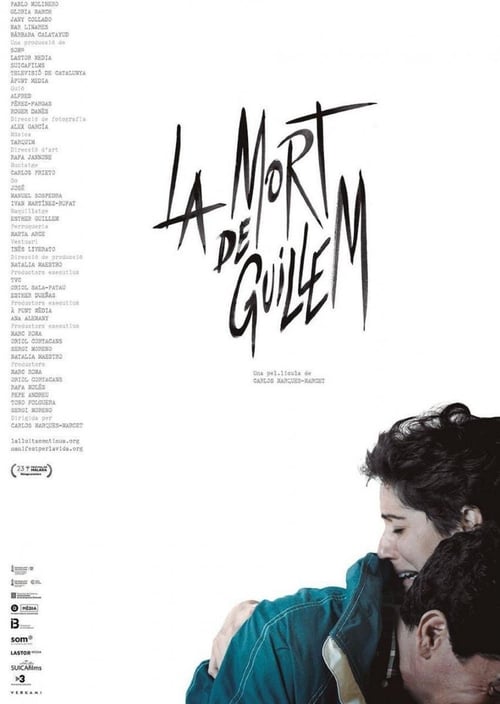
Guillem Agulló y Salvador was killed by a stab in the heart by a group of neo-Nazis on April 11, 1993. Destroyed, his parents, Guillermo and Carmen, will fight so that the death of their son is not manipulated, and is not considered the fruit of of a simple gang fight. The way, full of obstacles, threats and a dirty media war, will be about to destroy the family, who must learn to mourn the death of a child while fighting for his memory, which little by little becomes the symbol of a cause they would never have thought to lead.
2015

2018
2018
2019
2022

2024

2015
2021
No reviews yet. Be the first to share your thoughts on this movie!
Use the rating form above to leave a star rating and optional review.