
Louder Than Words
2017
No user ratings available yet
Representation score: 5.2 out of 10
Representation Score
Excellent
2019
Director
Doug Roland
Runtime
19 minutes
Average Rating
No ratings yetNew Showbiz Analysis
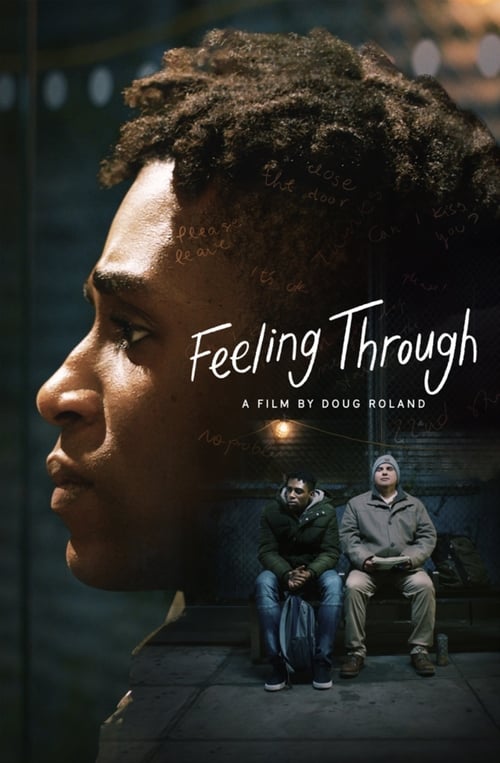
Feeling Through is a character-driven drama that succeeds by intersecting disability, race, and queer identity. It moves beyond surface-level inclusion to deconstruct traditional social and sensory hierarchies. By centering a DeafBlind protagonist, the film disrupts normative sensory experiences and replaces them with a tactile, empathetic mode of communication. The film's strength lies in its refusal to treat disability as a mere plot device. Instead, it provides ability to act to underrepresented individuals, allowing their unique perspectives to drive the narrative structure. This intentionality fosters a deep sense of empathy through the exploration of subjective truth. While the film excels in disability and queer representation, it faces more tension in its exploration of gender and cultural norms. However, even these areas serve to critique traditional social structures rather than reinforce them.
Category Breakdown
The film uses a framework of self-discovery to challenge the assumption that everyone is straight or cisgender. Queer identity serves as a central driver for the protagonist's internal journey and social conflicts.
The narrative subverts traditional masculine expectations by focusing on a young man's vulnerability. It prioritizes emotional intelligence over stoic, traditional formulas.
Featuring a predominantly Black cast, the film intersects racial identity with themes of social exclusion. Characters of color are given significant roles in driving the story.
The story explores the friction between individual autonomy and conservative communal or religious norms. It frames traditional institutional pressures as obstacles to authentic self-actualization.
Centering a DeafBlind character provides a significant role in driving the story to a protagonist with significant sensory disabilities. The film explores unique ways of perceiving the world without relying on pity.
Present on Screen
Limited or Absent
Official Synopsis
A late-night encounter on a New York City street leads to a profound connection between a teen-in-need and a DeafBlind man.
2017

2017

2018

2017

2001

2005

2020

2017
No reviews yet. Be the first to share your thoughts on this movie!
Use the rating form above to leave a star rating and optional review.