
Necrophile Passion
2013
No user ratings available yet
Representation score: 0.8 out of 10
Representation Score
Limited
2010
Director
Scott David Russell
Runtime
97 minutes
Average Rating
No ratings yetNew Showbiz Analysis
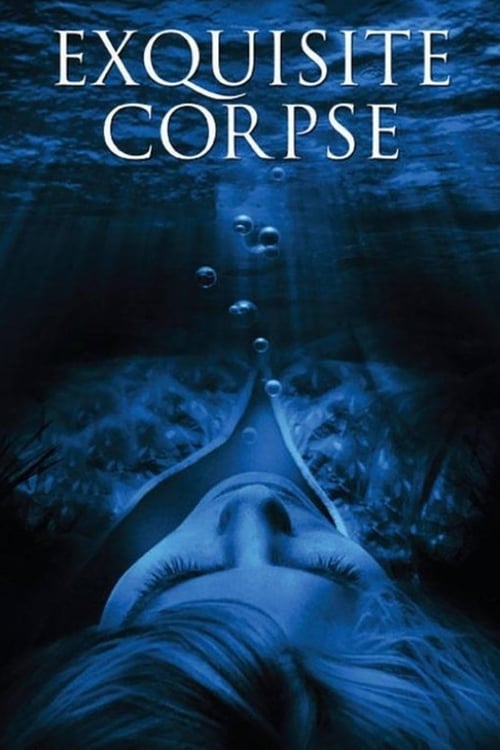
Exquisite Corpse is a genre-focused exploration of moral ambiguity rather than a story emphasizing diverse representation. The narrative centers on a dark romantic pursuit, limiting its social perspectives. Though the film doesn't offer much racial or gender diversity, it earns some credit for its postmodern approach to ethics. It breaks down traditional moral hierarchies by making the audience question the protagonist's motives. Overall, the film operates as a localized horror piece that prioritizes psychological complexity over a diverse or inclusive cast.
Category Breakdown
The film touches on themes of identity and personal connections that hint at non-straight relationships, but it doesn't show same-sex intimacy or explore non-cisgender identities explicitly.
The story revolves around a male character's role and his pursuit of a female character. Initially, the female character seems to have a minor role, but she gains a crucial position near the end, shifting the audience's perspective.
The cast appears fairly uniform with no clear signs of diverse casting or significant non-white actors. The small-town setting doesn't highlight any racial or ethnic diversity.
The film uses moral relativism to question traditional views of good and evil. It emphasizes situational ethics, making it harder for viewers to judge the protagonist's actions.
There is no clear depiction of characters with physical, sensory, or neurodivergent disabilities.
Present on Screen
Limited or Absent
Official Synopsis
A medical student (Steve Sandvoss) is working on a research project and discovers that he is able to reanimate recently-deceased mice. He takes a break from his work to go on a trip with three friends. He admits to his friend Sophia (Nicole Vicius) that he loves her – but shortly after this she falls into a nearby lake and drowns. Using the methods from his research project he is able to revive her, but the process requires that he extract the hormone Oxytocin from a recently-dead corpse. He murders two women, and attempts to murder a third, in the process of keeping Sophia alive. His actions arouse the suspicion of his friends and the campus police. In a twist at the end of the film, Sophia remembers the circumstances of her death, which changes the audience’s perceptions of the actions of one of the main characters in the story
2013

1960
2001

2007
2013

2015

2007

2008
No reviews yet. Be the first to share your thoughts on this movie!
Use the rating form above to leave a star rating and optional review.