Highway Runnery
1965
No user ratings available yet
Representation score: 0.4 out of 10
Representation Score
Minimal
1965
ApprovedDirector
Rudy Larriva
Runtime
7 minutes
Average Rating
No ratings yetNew Showbiz Analysis
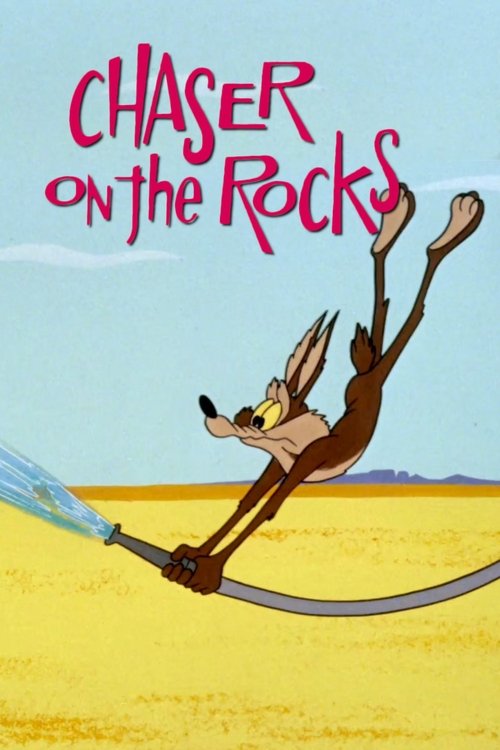
Chaser on the Rocks is a typical mid-century animated short that emphasizes physical comedy over social or multi-layered issues. The narrative revolves around the established conflict between Wile E. Coyote and the Road Runner, driven by hunger and thirst. The film upholds traditional character archetypes and avoids any engagement with identity politics or the deconstruction of social hierarchies. Its structure prioritizes slapstick mechanics over character depth or social commentary.
Category Breakdown
The film centers on a predator-prey relationship between animal characters, avoiding any exploration of gender identity or same-sex intimacy.
With non-human protagonists, the film does not feature a gendered cast. The narrative follows traditional hunter and prey roles without challenging gendered power dynamics.
Set in a desert, the film uses a neutral, non-specific backdrop. The anthropomorphized animals avoid traditional racial or ethnic representation, focusing on archetypal characters.
The story focuses on survival and individual pursuits without engaging with specific religious, political, or systemic critiques. Physical struggle is the main theme.
Physical trauma is used as a comedic slapstick cliché rather than a meaningful portrayal of disability. These struggles serve as plot devices for humor rather than nuanced representation.
Present on Screen
Limited or Absent
Official Synopsis
Wile E. Coyote is both thirsty and hungry in this one. He keeps seeing mirages of oases in the desert as he chases the Road Runner.
1965
1965
1965
1965
1956
1961
1957
1979
No reviews yet. Be the first to share your thoughts on this movie!
Use the rating form above to leave a star rating and optional review.